Seventeen former senior national security officials have filed an amicus brief urging the U.S. Court of Appeals for the D.C. Circuit to reconsider a ruling that designated AI company Anthropic as a supply chain risk. They argue the decision could undermine AI safeguards and limit federal AI procurement.
TL;DR
- 17 former national security officials have challenged a federal appeals court ruling that designated Anthropic as a supply chain risk, citing potential impacts on AI safeguards and federal procurement.
- The officials argue that the Pentagon's decision was politically motivated and failed to follow required administrative procedures, setting a precedent for penalizing technology companies.
- The ruling could limit the federal government's access to advanced AI capabilities and discourage AI developers from establishing safeguards.
What happened
A group of 17 former senior national security officials, including former Director of National Intelligence Avril Haines and former national security advisers Jake Sullivan and Susan Rice, have filed an amicus brief urging the U.S. Court of Appeals for the D.C. Circuit to reconsider a ruling that upheld the Pentagon's designation of AI company Anthropic as a supply chain risk. The officials argue that the decision could undermine national security and discourage AI developers from adopting safety safeguards.
In an Oct. 20 court filing, the officials argued that the Pentagon's designation was politically motivated and failed to follow required administrative procedures under the Federal Acquisition Supply Chain Security Act of 2018 (FASCSA). They warned that allowing the ruling to stand could set a precedent for federal agencies to penalize technology companies over disagreements about how their products are used.
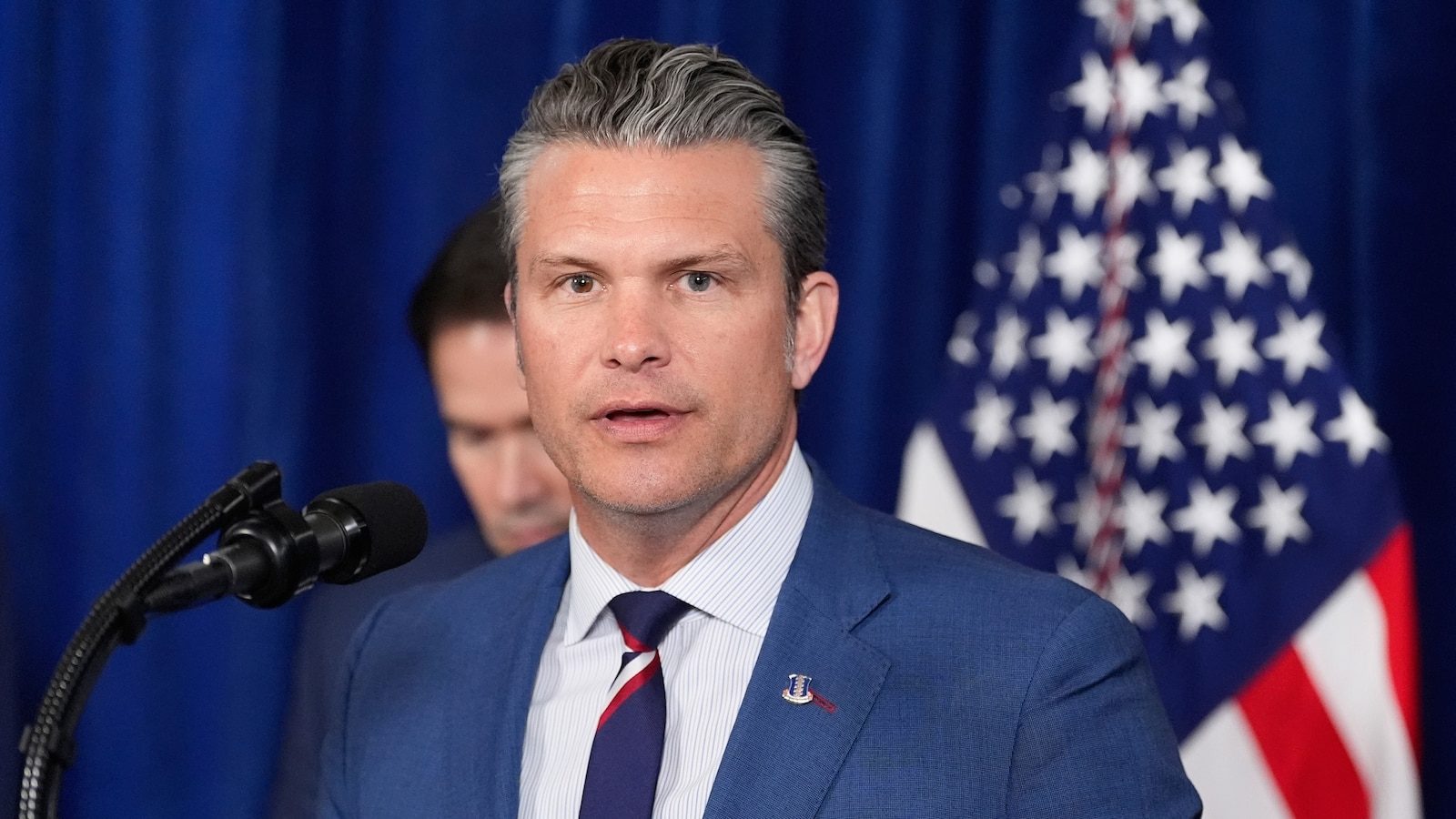
The dispute began when the Pentagon sought to use Anthropic's Claude AI model for 'all lawful uses.' Anthropic objected to two potential applications – mass surveillance and fully autonomous weapons. After negotiations broke down, Defense Secretary Pete Hegseth directed the Pentagon to designate Anthropic as a supply chain risk. Anthropic challenged the designation, alleging unlawful retaliation, while the Trump administration defended the action as a national security measure.
Why it matters
The former officials argue that the ruling could limit the federal government's access to advanced AI capabilities as the United States competes with China for technological leadership. The filing points to the Pentagon's continued interest in Anthropic's Claude Mythos model, which has advanced cybersecurity capabilities, as an example of the potential national security costs of excluding the company from federal procurement.
The officials also warned that the designation could discourage AI developers from establishing safeguards governing how their technologies are deployed. 'No company can make good on this commitment to ensure its products are developed safely if any safeguard DOD dislikes invites a supply-chain risk designation,' the brief states.
The filing also argues that the Pentagon violated Anthropic's First Amendment rights by retaliating against the company for its public statements and positions on AI safety. The officials cited Hegseth's criticism of Anthropic's 'sanctimonious rhetoric,' 'virtue-signaling,' and 'Silicon Valley ideology' as evidence that the designation was influenced by the company's expressed views.
Key facts
- 17 former senior national security officials filed an amicus brief on Oct. 20 urging the U.S. Court of Appeals for the D.C. Circuit to reconsider a ruling designating Anthropic as a supply chain risk.
- The officials argue that the Pentagon's designation was politically motivated and failed to follow required administrative procedures under FASCSA.
- The D.C. Circuit's 2-1 ruling rejected Anthropic's challenge under FASCSA, finding that the Defense Department had 'ample support' for concluding that continued use of Anthropic's Claude AI model presented a national security risk.
- The former officials include former Director of National Intelligence Avril Haines, former national security advisers Jake Sullivan and Susan Rice, former Deputy Secretary of State Wendy Sherman, and former Department of Homeland Security Under Secretary Suzanne Spaulding.
- The Pentagon sought to use Anthropic's Claude AI model for 'all lawful uses,' but Anthropic objected to two potential applications – mass surveillance and fully autonomous weapons.
- Defense Secretary Pete Hegseth issued the formal determination on March 3, four days after publicly announcing the designation.
- The officials argue that a legitimate supply chain risk determination requires agencies to identify a specific national security threat, assess potential consequences, consider alternatives, and document their reasoning before taking action.
- The filing also points to a separate ruling by the U.S. District Court for the Northern District of California, which granted Anthropic summary judgment on Aug. 27 on its First Amendment, due process, and Administrative Procedure Act challenges to the designation.
Context
This case highlights the ongoing tension between national security concerns and the rapid advancement of AI technologies. As the U.S. government seeks to balance the benefits and risks of AI, decisions like this one could have significant implications for the development and deployment of AI capabilities.
The case also underscores the importance of clear and transparent administrative procedures in the procurement of advanced technologies. As AI continues to play a larger role in national security, the need for well-defined processes and safeguards will only grow.
For AI developers and startups, this case serves as a reminder of the potential risks and challenges associated with working with the federal government. As the AI landscape continues to evolve, companies will need to navigate these complexities carefully to ensure that their technologies are developed and deployed responsibly.