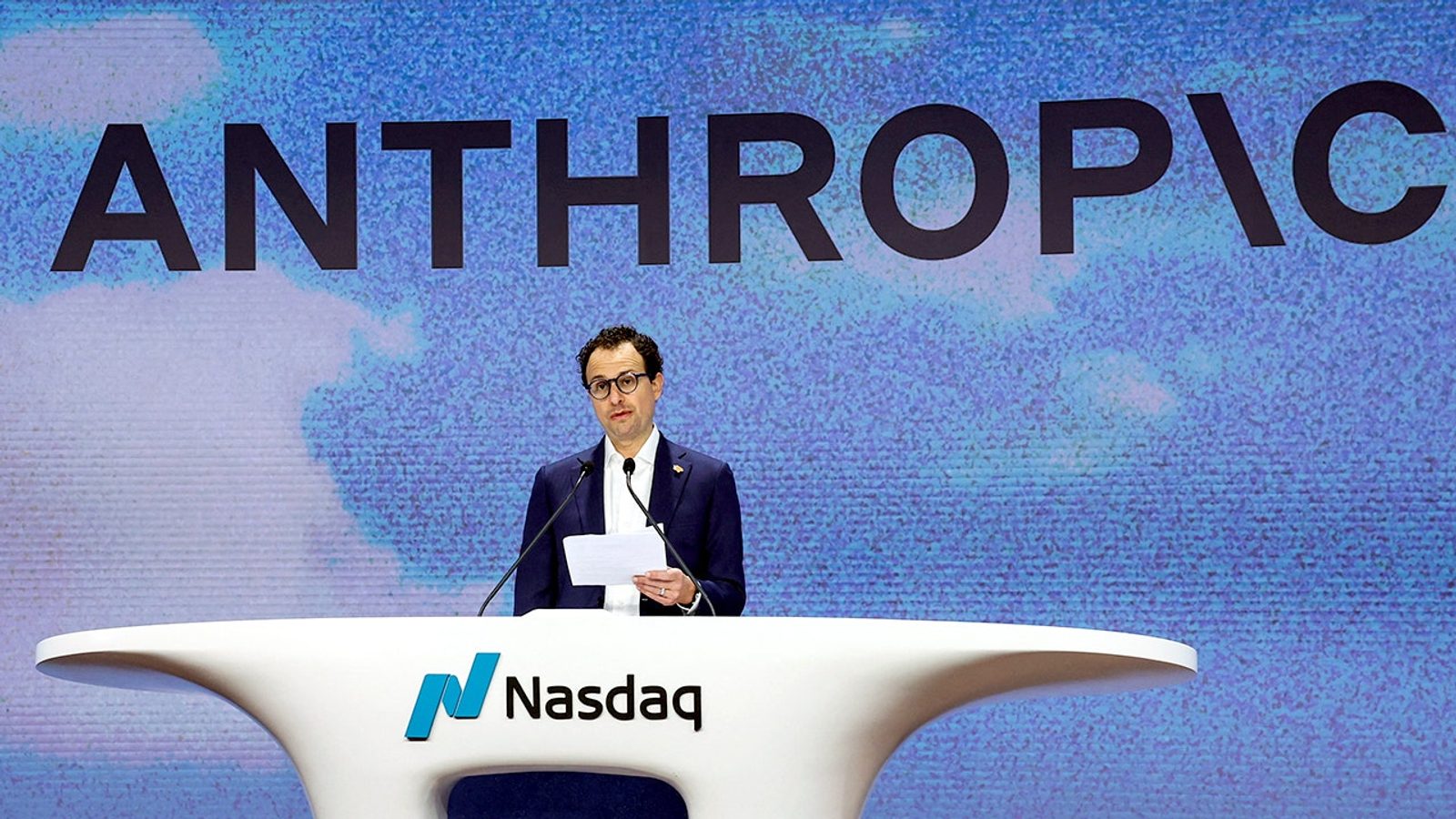
Anthropic security engineer Steve Weis posted a cryptic message about a new cryptography review group, sparking fears of AI-driven encryption breaks and a potential 35% Bitcoin sell-off.
TL;DR
- Anthropic engineer Steve Weis's vague post about a cryptography group triggers panic, with analysts noting 35% of Bitcoin in vulnerable addresses.
- The incident highlights the delicate balance between AI advancements and cybersecurity, with experts urging caution and better communication.
- While immediate threats to banking encryption are dismissed, the event underscores the need for coordinated disclosure mechanisms.
What happened
Steve Weis, a security engineer at AI company Anthropic, posted a link to the newly formed Cryptography Incident Review Group (CIRG) on X (formerly Twitter) on Sunday, without additional context. The post sparked widespread speculation and panic about potential AI-driven breaks in cryptographic protocols.
The CIRG is an independent panel of 21 cryptographers from institutions including Stanford, MIT, and Johns Hopkins. Weis's post came days after computer scientist Scott Aaronson hinted at an upcoming AI 'breakthrough in theoretical cryptoanalysis' that could compromise RSA encryption, a widely used internet security protocol.
Weis's post also followed his previous use of Anthropic's Claude AI to forge an 896-bit RSA test key, which fueled speculation that AI could crack more complex modern encryption. In response to the backlash, Weis clarified that his post was not an announcement of a break and that the CIRG is an independent academic body.
Why it matters
The incident highlights the potential impact of AI advancements on cybersecurity, with analysts noting that around 35% of global Bitcoin is stored in older addresses with exposed public keys, making them potentially vulnerable to new cryptanalytic advances.
While experts like Blockstream CEO Adam Back and Ledge CTO Charles Guillemet dismissed immediate threats to banking encryption, the event underscores the need for better communication and coordination in disclosing potential vulnerabilities. The incident also raises questions about the role of AI companies in navigating and communicating about such advances.
Key facts
- Steve Weis is a security engineer at Anthropic, an AI company.
- The Cryptography Incident Review Group (CIRG) is an independent panel of 21 cryptographers from institutions including Stanford, MIT, and Johns Hopkins.
- Around 35% of global Bitcoin is stored in older addresses with exposed public keys, according to analysts.
- Computer scientist Scott Aaronson hinted at an upcoming AI 'breakthrough in theoretical cryptoanalysis' that could compromise RSA encryption.
- Weis previously used Anthropic's Claude AI to forge an 896-bit RSA test key, fueling speculation about AI's potential to crack more complex modern encryption.
- Blockstream CEO Adam Back and Ledge CTO Charles Guillemet dismissed immediate threats to banking encryption but acknowledged the need for coordinated disclosure mechanisms.
Context
The incident is part of a broader conversation about the potential impact of AI on cybersecurity and the need for responsible communication about advances in the field. It also highlights the delicate balance between AI advancements and the security of existing protocols, with experts urging caution and better coordination in disclosing potential vulnerabilities.
The event also underscores the role of AI companies in navigating and communicating about such advances, with calls for more transparency and responsible communication to avoid unnecessary panic and speculation.