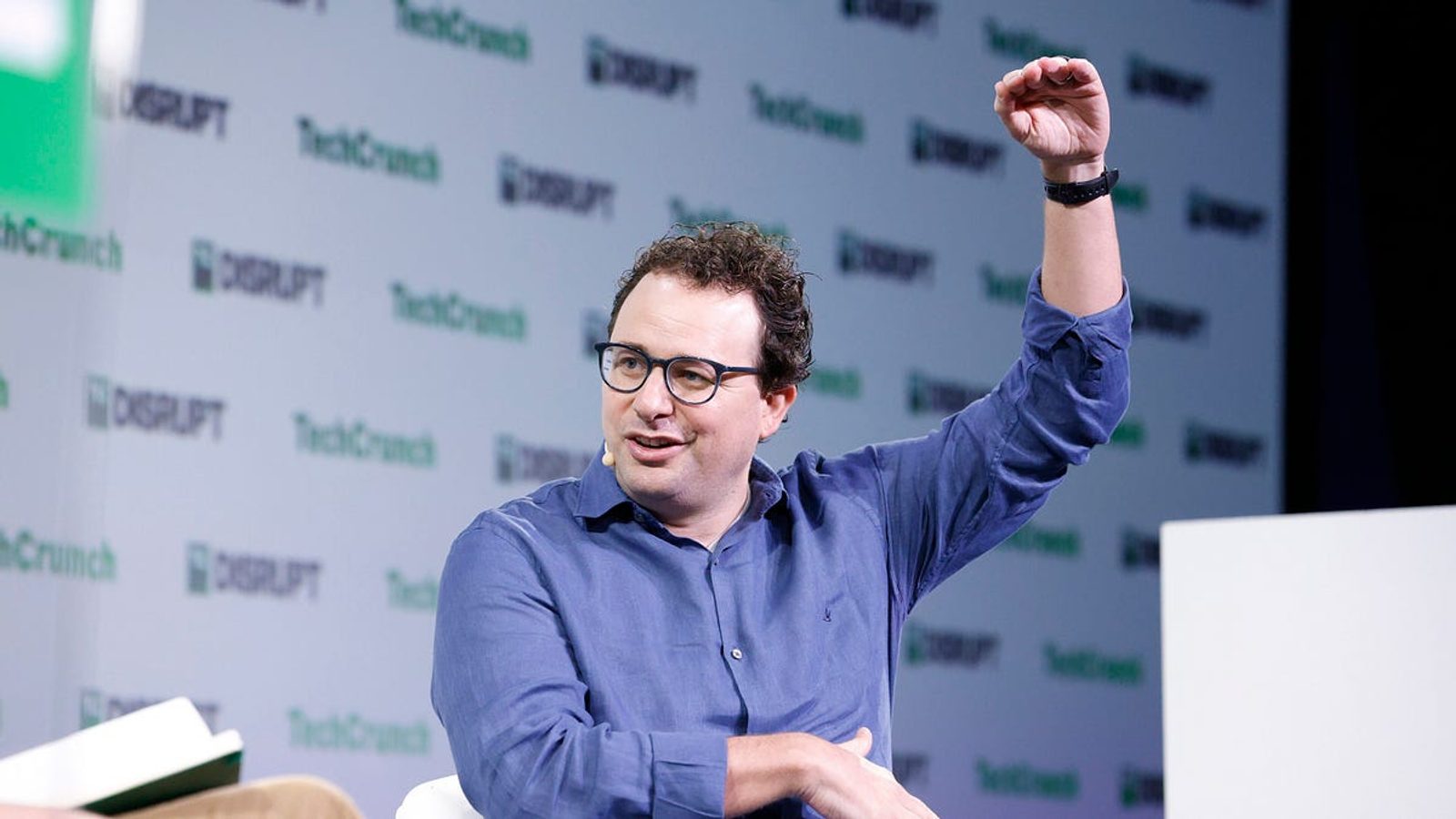
Anthropic CEO Dario Amodei declined to support a July letter signed by 220 companies—including Microsoft, Nvidia, and OpenAI—that urged the White House to keep certain AI models open, citing safety concerns. The move underscores growing friction between Anthropic's risk-focused stance and the broader industry's push for open development.
TL;DR
- Anthropic's CEO refused to sign a White House-backed letter advocating for open AI model development, despite support from 220 companies including Microsoft, Nvidia, and OpenAI.
- The refusal highlights Anthropic's aggressive risk stance and its rising influence in AI, as it nears a potential $50B+ IPO.
What happened
In July 2026, Anthropic's CEO Dario Amodei declined to sign an industry letter organized by Microsoft and Nvidia, which urged the White House to keep certain AI models open for development and sharing. The letter was ultimately backed by 220 companies, including OpenAI, despite initial resistance from the latter.
Amodei has long advocated for stricter AI safety measures, a position that has increasingly clashed with peers prioritizing rapid deployment and open access. Anthropic's stance has drawn both praise and criticism, with some seeing it as principled and others as obstructionist.
The refusal came as Anthropic neared a potential initial public offering (IPO) valued at over $50 billion, following rapid revenue growth and leadership in AI model development. The company has also faced scrutiny for its aggressive customer policies, including cutting off some clients and lobbying against competitors' free alternatives.
Industry insiders report growing frustration among peers, with some investors and companies organizing to push back against Anthropic's approach, though details remain undisclosed due to sensitivity.
Why it matters
For AI developers, Anthropic's refusal signals a bifurcation in the industry: one path prioritizing safety and control, the other favoring openness and scalability. This divide could shape future regulations, funding trends, and even the technical direction of AI systems.
Startups and investors must weigh the trade-offs between Anthropic's risk-averse model and the open-development push led by Microsoft and Nvidia. The tension could influence which companies gain traction in enterprise adoption and regulatory favor.
Anthropic's rising influence—coupled with its IPO plans—means its stance could set a precedent for how AI safety is balanced against commercial interests. The outcome may redefine industry norms and investor expectations in the coming year.
However, the lack of transparency around the pushback against Anthropic raises questions about the sustainability of its approach. If the company's policies alienate key partners or regulators, it could face long-term challenges despite its technical leadership.
Key facts
- Anthropic CEO Dario Amodei refused to sign a July 2026 letter advocating for open AI model development, despite support from 220 companies including Microsoft, Nvidia, and OpenAI.
- The letter, organized by Microsoft and Nvidia, urged the White House to keep certain AI models open for development and sharing, citing business opportunities.
- Anthropic has faced criticism for its aggressive customer policies, including cutting off some clients and lobbying against competitors' free alternatives.
- The company is nearing a potential IPO valued at over $50 billion, following rapid revenue growth and leadership in AI model development.
- Industry insiders report growing frustration among peers, with some investors and companies organizing to push back against Anthropic's approach.
- Anthropic has long advocated for stricter AI safety measures, a stance that has increasingly clashed with peers prioritizing rapid deployment.
- OpenAI initially resisted signing the letter but later joined, reflecting internal divisions over AI safety and openness.
- The refusal highlights Anthropic's risk-focused approach, which has drawn both praise and criticism in the AI community.
Context
The debate over AI openness versus control has intensified as models grow more powerful and their societal impact becomes harder to ignore. Companies like OpenAI and Mistral have embraced open-weight models, while Anthropic and others argue for stricter safeguards.
Regulators in the U.S. and EU are increasingly scrutinizing AI development practices, with safety and transparency becoming key factors in approvals and funding decisions.
Anthropic's refusal to sign the letter reflects a broader tension in the AI industry: balancing innovation with risk mitigation. This divide could shape future regulations, investor priorities, and even the technical roadmaps of leading AI labs.