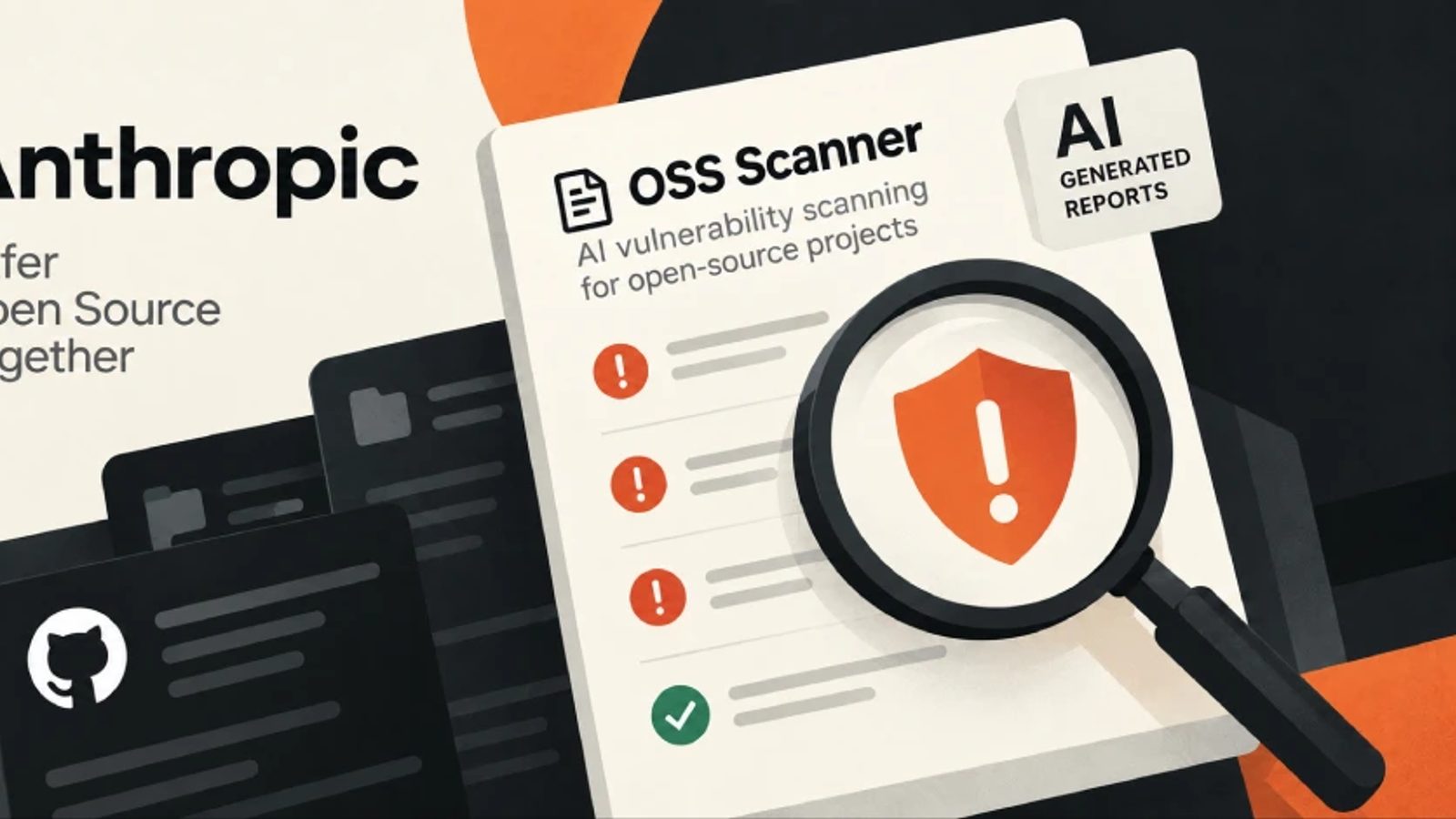
Anthropic has developed Scion, a custom source control system, to manage a staggering 30,000 code merges per day, a tenfold increase since May 2026. The system was built to support the company's AI-driven development workflows, which have outpaced traditional tools.
TL;DR
- Anthropic built Scion to handle 30,000 daily merges, a tenfold increase since May 2026.
- Scion is designed to support AI-driven development workflows that outpace traditional source control tools.
- The system is built on principles of online clients, server-client asymmetry, and horizontal scalability.
What happened
Anthropic's code merges per day grew from around 2,500 in May 2026 to over 30,000 in September 2026. This exponential growth was driven by the company's use of AI, particularly Claude, to write and optimize code at scale.
To support this growth, Anthropic built Scion, an in-house source control system, and fully migrated their monorepo from git in five months. Scion was designed to handle the unique demands of AI-driven development, which traditional tools like git struggle to support.
Scion is built on several key principles, including the assumption that clients are always online, server-client asymmetry, and the ability to power novel applications through comprehensive source control services. These principles allow Scion to scale horizontally and handle the massive volume of code changes Anthropic produces daily.
Why it matters
For AI/ML developers and startup founders, Anthropic's experience highlights the need for tools that can keep pace with AI-driven development workflows. As AI becomes more integral to software development, traditional tools may struggle to meet the demands of scale and speed.
For tech investors, Anthropic's investment in building custom tools like Scion demonstrates the company's commitment to supporting AI-driven development at scale. This could be a significant competitive advantage as the AI landscape continues to evolve.
However, it's important to note that Anthropic's workload is unusual, and many organizations may not face these scaling issues in the near term. Nevertheless, as AI coding tools become more prevalent, other companies may encounter similar pressure points, making Scion's principles and design relevant to the broader AI community.
Key facts
- Anthropic's code merges per day grew from around 2,500 in May 2026 to over 30,000 in September 2026, according to the company.
- Scion was built and fully migrated in five months, replacing git as Anthropic's source control system.
- Scion is designed to handle the unique demands of AI-driven development, which traditional tools like git struggle to support.
- Scion is built on principles of online clients, server-client asymmetry, and horizontal scalability.
- The history of Anthropic's main branch alone is almost 100 GB, and a compressed working copy is over 25 GB.
- Anthropic performs on the order of 25 million code checkouts per day for CI, before counting developer environments, agent sandboxes, and research jobs.
- Scion's design allows for sparse and virtualized checkouts, which only materialize files on demand.
- Scion's data structures include changesets, derived data, and skip lists for the commit graph, which allow for efficient and scalable source control operations.
Context
Anthropic's development of Scion highlights the growing need for tools that can support AI-driven development workflows. As AI becomes more integral to software development, traditional tools may struggle to keep pace with the scale and speed of AI-generated code.
The development of Scion also underscores the importance of horizontal scalability in source control systems. As monorepos grow in size and complexity, traditional tools like git may struggle to handle the volume of code changes and checkouts required for modern development workflows.
Finally, Anthropic's experience with Scion serves as a case study for other companies looking to build custom tools to support their unique development needs. As the AI landscape continues to evolve, more companies may need to invest in building custom tools to stay competitive.