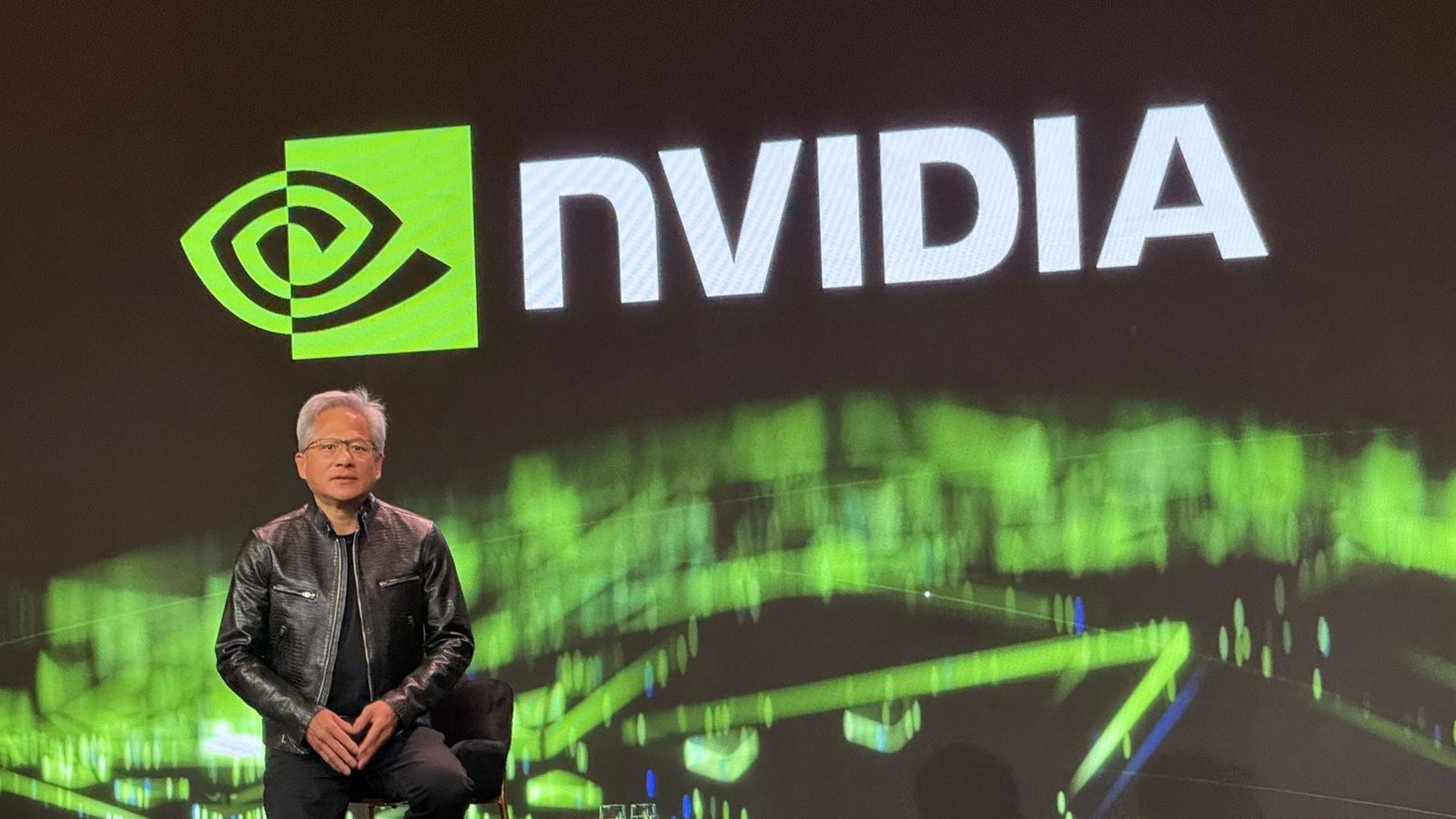
Bolt Graphics, a US chip design startup, is seeking $100 million in new funding at a $700 million valuation. The company aims to develop GPUs that compete with Nvidia and AMD, focusing on scientific computing, professional rendering, and gaming graphics.
TL;DR
- Bolt Graphics seeks $100M funding at $700M valuation to develop GPUs for non-AI markets.
- The company's Zeus GPU architecture targets scientific computing, professional rendering, and gaming.
- Bolt Graphics plans to manufacture Zeus on TSMC's 5nm process, with volume production targeted for late 2027 to early 2028.
What happened
Bolt Graphics, founded by Darwesh Singh in 2020, is seeking approximately $100 million in new funding, with the company currently valued at around $700 million. The funding round is still in progress, and final amounts and terms are yet to be finalized. According to Reuters, it remains unclear which investors are leading the round.
The company has completed the first round of testing for its Zeus GPU architecture, which features dedicated hardware modules for Maxwell's equations and supports FP64 double-precision floating-point operations. The Zeus test chip measures approximately 6 square millimeters and was manufactured using TSMC's 12nm process.
Bolt Graphics plans to manufacture the Zeus chip on TSMC's 5nm process, targeting a die size of approximately 400 square millimeters. The company plans to use more than 1 terabyte of LPDDR5 memory and support 400G Ethernet and PCIe interfaces. Zeus is expected to enter volume production between late 2027 and early 2028.
Why it matters
Bolt Graphics is deliberately avoiding the crowded AI accelerator chip market, focusing instead on scientific computing, professional rendering, and gaming graphics. This differentiation strategy aims to carve out a niche where the company can compete with industry giants like Nvidia and AMD.
The company's gradual market penetration strategy, starting with professional users and expanding to consumer gaming, could help establish a software ecosystem and gain developer support. This approach addresses the significant ecosystem barriers in the consumer gaming market.
The success of Bolt Graphics' strategy depends on the successful commercialization of Zeus technology, the establishment of a software ecosystem, and the willingness of target customers to pay for differentiated computing capabilities. If successful, this could provide PC users with more GPU product choices.
Key facts
- Bolt Graphics is seeking $100 million in new funding at a $700 million valuation.
- The company's Zeus GPU architecture features dedicated hardware modules for Maxwell's equations and supports FP64 double-precision floating-point operations.
- The Zeus test chip measures approximately 6 square millimeters and was manufactured using TSMC's 12nm process.
- Bolt Graphics plans to manufacture the Zeus chip on TSMC's 5nm process, targeting a die size of approximately 400 square millimeters.
- The company plans to use more than 1 terabyte of LPDDR5 memory and support 400G Ethernet and PCIe interfaces.
- Zeus is expected to enter volume production between late 2027 and early 2028.
- Bolt Graphics was founded by Darwesh Singh in 2020.
- The company has invested approximately six years in chip and hardware R&D.
Context
The AI chip market is expanding rapidly, with Nvidia and AMD doubling down on related products. AMD unveiled its Helion rack-scale computing solution targeting agentic AI applications, while Nvidia contributed Vera Rubin platform rack and compute tray designs to the Open Compute Project (OCP).
The increasing compute investments by major tech companies reflect both overall growth in computing demand and the rapidly rising competitive barriers in the mainstream AI chip market. Venture capital investment in chip startups has remained relatively cautious due to the high costs and long timelines associated with advanced chip R&D.
The AI boom is reshaping the semiconductor investment landscape, with investors pouring approximately $10.7 billion into semiconductor startups in the first five months of 2026. However, the bulk of these funds is flowing toward AI-related targets, making Bolt Graphics' fundraising efforts in non-AI markets a notable test case.