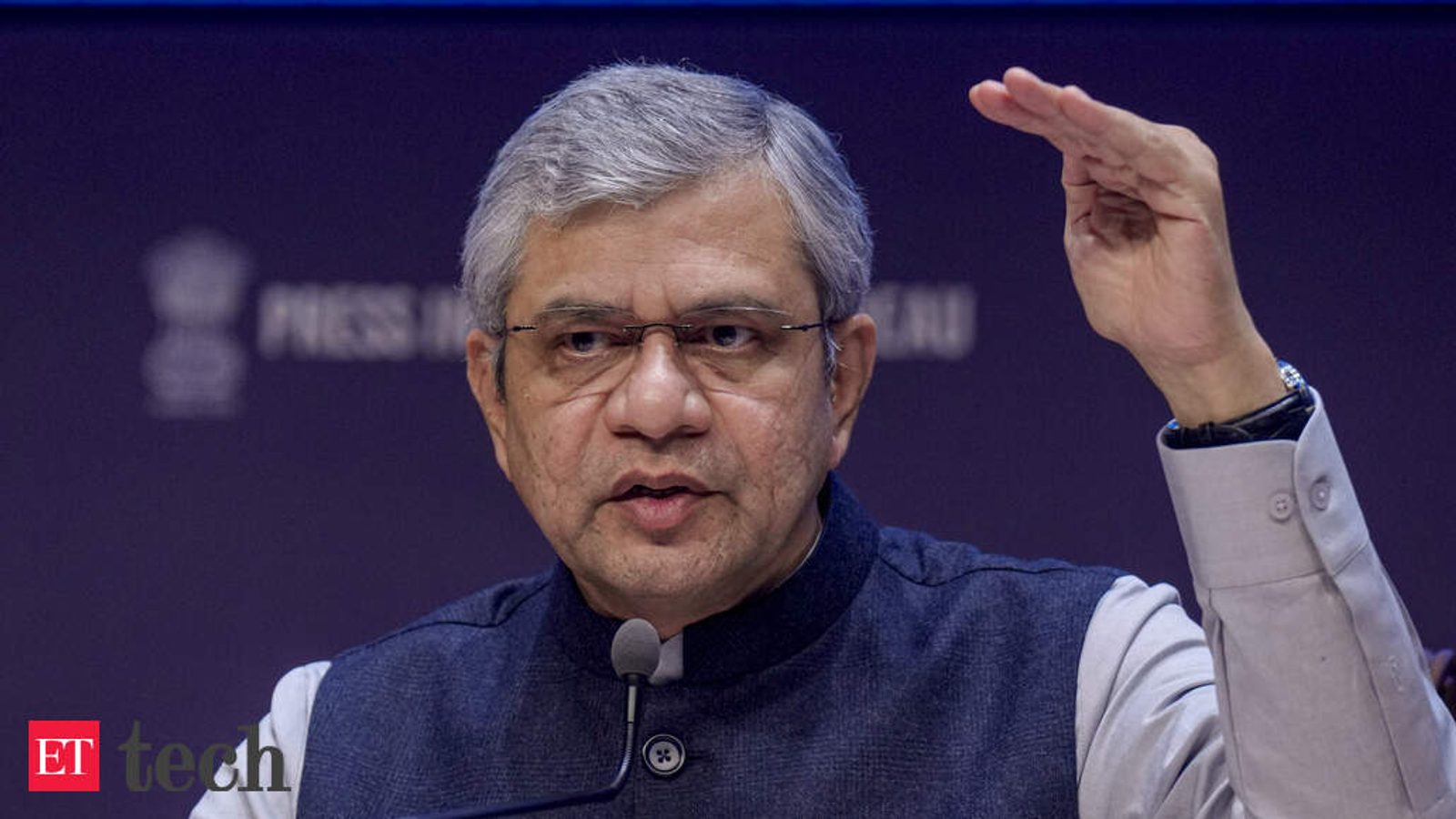
India's Finance Minister Nirmala Sitharaman dismissed stock listings as a measure of AI progress, citing the country's growing unicorns and need for patient capital. At the IITMAA Sangam conference, she urged startups to submit funding suggestions within 10 days.
TL;DR
- India has AI unicorns but needs evolved funding ecosystems.
- Sitharaman asks startups to propose 'early' and 'enough' funding parameters.
- Deep-tech hardware startups may take 5-7 years to generate revenue.
What happened
During a fireside chat at the IITMAA Sangam conference, Sitharaman addressed concerns about India's AI progress, emphasizing that stock listings are not indicative of innovation. She noted that India already has AI unicorns and companies nearing that status, but the funding ecosystem needs to evolve to support their growth.
Sitharaman responded to concerns about the availability of patient and big-ticket capital for emerging technologies. She advised startups to focus on innovation rather than managerial and financial matters. The discussion also highlighted that deep-tech hardware startups can take 5-7 years to generate revenue.
Sitharaman asked startups to submit suggestions within 10 days on what should constitute 'early' and 'enough' funding. Pralhad Joshi, Union Minister of Education, highlighted India's growth in electricity generation capacity and the contributions of IIT Madras, including 560 startups and 472 patents.
Why it matters
For AI/ML developers and startup founders, Sitharaman's remarks underscore the importance of patient capital and the need for a supportive funding ecosystem. The call for suggestions on funding parameters presents an opportunity for startups to influence policy and secure better funding options.
Tech investors should note the government's focus on supporting AI and deep-tech startups. The emphasis on self-reliance and the growth of AI unicorns indicates a promising investment landscape in India. However, the long gestation period for deep-tech hardware startups may require strategic patience.
Key facts
- India has AI unicorns and companies nearing that status, according to Sitharaman.
- Deep-tech hardware startups can take 5-7 years to generate revenue.
- Sitharaman asked startups to submit funding suggestions within 10 days.
- IIT Madras has contributed to 560 startups and 472 patents.
- India's electricity generation capacity has grown from 249 GW in 2014 to 552 GW today, including 310 GW of non-fossil capacity.
- Sridhar Vembu, Chief Scientist and Co-founder of Zoho Corporation, highlighted the importance of tech-driven national security.
Context
India's push for self-reliance in technology aligns with the broader global trend of reducing dependencies on foreign tech. The government's focus on supporting AI and deep-tech startups is part of a larger strategy to build a robust tech ecosystem.
The emphasis on patient capital and the long gestation period for deep-tech startups reflects the challenges faced by emerging technologies. This highlights the need for a supportive funding ecosystem that can nurture innovation over extended periods.
The contributions of IIT Madras and the growth of AI unicorns demonstrate India's potential in the AI sector. The government's proactive stance in engaging with startups and addressing their concerns is a positive step towards fostering a thriving AI ecosystem.