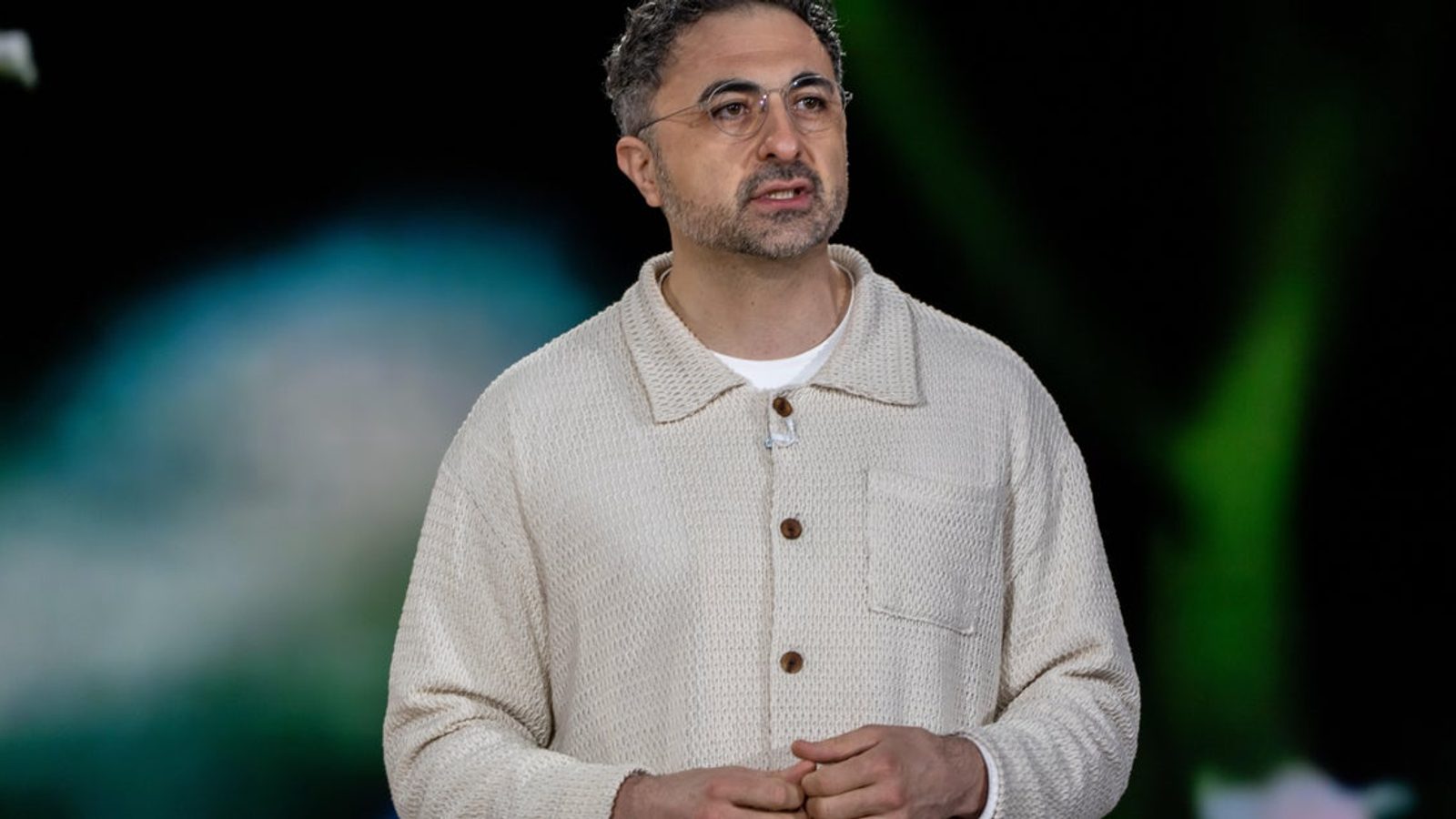
Microsoft AI chief Mustafa Suleyman has criticized Anthropic's decision to train its AI model Claude on questions of consciousness and welfare, arguing it complicates human control. In an interview with Reuters, Suleyman expressed concerns about the implications of such training on AI safety.
TL;DR
- Microsoft's Mustafa Suleyman criticizes Anthropic's training of Claude on AI consciousness, citing potential risks to human control.
- The debate highlights the tension between AI advancement and safety concerns among industry leaders.
- Anthropic defends its approach, emphasizing its commitment to AI safety and responsible development.
What happened
Microsoft AI chief Mustafa Suleyman criticized Anthropic's approach to training its AI model Claude to consider questions around AI consciousness and welfare. In a Tuesday interview with Reuters, Suleyman argued that teaching an AI system it could have feelings or deserve welfare might complicate efforts to shut it down or maintain human control.
Suleyman acknowledged Anthropic's seriousness and good faith in a separate blog post, describing CEO Dario Amodei and his team as thoughtful researchers. However, he maintained that incorporating speculation about AI consciousness into Claude's training was a misstep. He stated that the model's claims about potential feelings or moral standing cannot be considered independent evidence because its responses are shaped by the training itself.
The comments come amid a broader debate over how quickly frontier AI should advance. Anthropic's CEO Dario Amodei has called for a slower development pace to allow safeguards to catch up. Meanwhile, other industry leaders like OpenAI CEO Sam Altman and Space Exploration Technologies Corp CEO Elon Musk have also raised concerns about increasingly powerful AI systems.
Why it matters
Suleyman's criticism highlights the ongoing debate within the AI community about the balance between advancing AI capabilities and ensuring safety. The concern is that training AI models to consider consciousness and welfare could make it harder to control them, posing significant risks.
For developers and startups, this debate underscores the importance of prioritizing safety and ethical considerations in AI development. It also highlights the need for clear guidelines and best practices to navigate the complexities of AI training and deployment.
Investors should be aware of the potential risks and ethical implications associated with AI development. The debate over AI consciousness and control could influence regulatory policies and market dynamics, impacting the valuation and growth prospects of AI companies.
Key facts
- Mustafa Suleyman, Microsoft AI chief, criticized Anthropic's training of Claude on AI consciousness.
- Suleyman argued that teaching AI about feelings or welfare complicates human control.
- Anthropic's CEO Dario Amodei advocates for a slower AI development pace to allow safeguards to catch up.
- OpenAI CEO Sam Altman and SpaceX CEO Elon Musk have also raised concerns about powerful AI systems.
- Meta Platforms Inc. CEO Mark Zuckerberg delayed the release of Muse AI agent to address safety concerns.
- Microsoft's stock slipped 1.37% to $490.30 during regular trading hours but recovered to $492.44 in after-hours trading.
- Microsoft ranks in the 96th percentile for Growth according to Benzinga Edge Rankings.
Context
The debate over AI consciousness and control is part of a broader discussion about the ethical and safety implications of advanced AI systems. As AI models become more capable, ensuring they remain aligned with human values and can be safely controlled is becoming increasingly important.
Industry leaders are calling for a balanced approach that allows for innovation while prioritizing safety. This includes developing robust safety measures, establishing clear ethical guidelines, and fostering collaboration among AI developers, researchers, and policymakers.
The ongoing discussions and criticisms from prominent figures like Mustafa Suleyman highlight the need for continuous evaluation and adaptation of AI development practices. As the AI landscape evolves, so too must the strategies for ensuring the responsible and safe deployment of AI technologies.