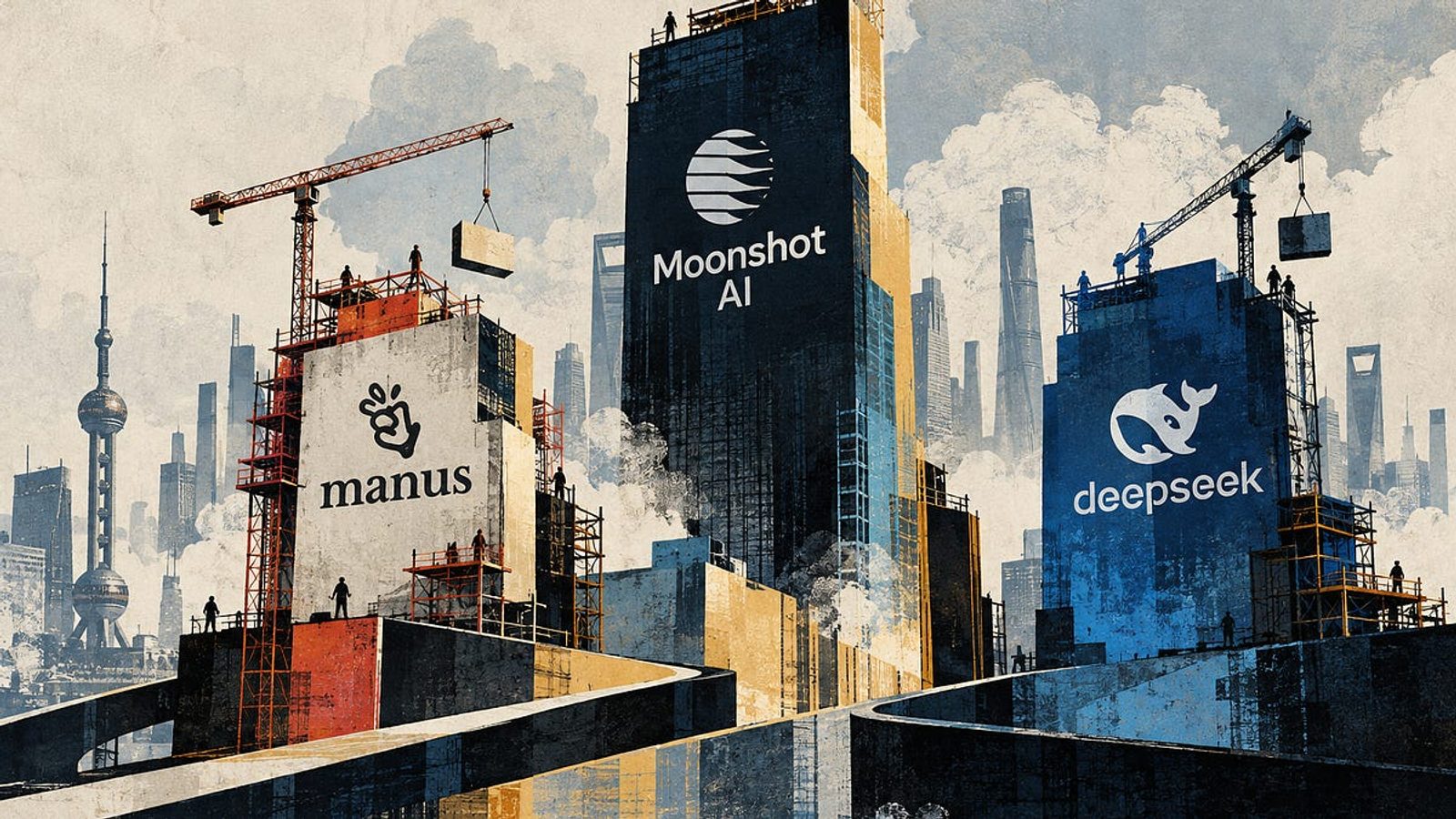
Asia's startup funding remained strong in Q3 2026, with AI-focused companies securing $21 billion, the second-highest tally on record. This was driven by a $3.5 billion round for Moonshot AI, a Beijing-based foundational model company.
TL;DR
- Asia's Q3 2026 startup funding totaled $38.5 billion, with AI startups securing $21 billion.
- Moonshot AI's $3.5 billion Series F round at a $35 billion valuation was the largest AI funding round in the quarter.
- China dominated Asian startup funding, with $27 billion going to Chinese companies.
What happened
Asia's startup funding held steady in Q3 2026, with investors putting $38.5 billion into seed- through growth-stage financings, per Crunchbase data. This is the second-highest level in years, slightly down from Q2 totals but significantly up from year-ago levels.
AI-focused companies were the primary beneficiaries, securing around 55% of the total investment, or an estimated $21 billion. This figure is down from the prior quarter, which was boosted by a $7.4 billion financing for China's DeepSeek, but still represents the second-highest tally on record.
The largest AI funding round went to Moonshot AI, a Beijing-based foundational model company, which secured $3.5 billion in July at a reported $35 billion valuation. Kling AI, the AI spinout of China-based short video platform Kuaishou Technology, was the second-biggest fundraiser, raising around $3 billion in a July financing that included Baidu and Tencent.
Why it matters
For AI/ML developers and startup founders, the concentration of capital into AI-focused companies indicates a continued strong interest and investment in the sector. This can open up more opportunities for funding and growth, particularly for startups working on foundational models and generative AI.
For tech investors, the data suggests that AI remains a hot investment area, with large rounds going to established players and new entrants alike. The concentration of funding in China also highlights the country's leading position in the global AI landscape.
However, the decline in early-stage investment and the concentration of capital into a few large rounds may pose challenges for startups looking to secure seed or Series A funding. Additionally, the divergence of fortunes between China and other Asian startup hubs may signal a shift in the regional investment landscape.
Key facts
- Total startup funding in Asia for Q3 2026: $38.5 billion.
- Total AI-focused funding in Q3 2026: $21 billion (55% of total).
- Largest AI funding round in Q3 2026: Moonshot AI's $3.5 billion Series F round at a $35 billion valuation.
- Second-largest AI funding round in Q3 2026: Kling AI's $3 billion round.
- Total funding to China-based companies in Q3 2026: $27 billion (70% of total).
- Total funding to India-based companies in Q3 2026: $2.9 billion.
- Total funding to Singapore-based companies in Q3 2026: $2.5 billion.
- Total late-stage investment in Q3 2026: $20 billion (down from Q2 but nearly double year-ago levels).
Context
The strong performance of AI-focused startups in Asia echoes global trends, with AI investment continuing to outpace other sectors. This is driven by the increasing demand for AI technologies and the growing recognition of their potential to transform industries.
China's dominance in AI investment is not surprising, given the country's significant investments in AI research and development, as well as its large and growing market for AI technologies. However, the decline in investment in other Asian startup hubs may signal a shift in the regional investment landscape, with investors focusing more on established players in China.
The concentration of capital into a few large rounds may pose challenges for startups looking to secure funding, particularly at the seed and early stages. This could lead to increased competition for funding and a greater focus on proven technologies and business models.