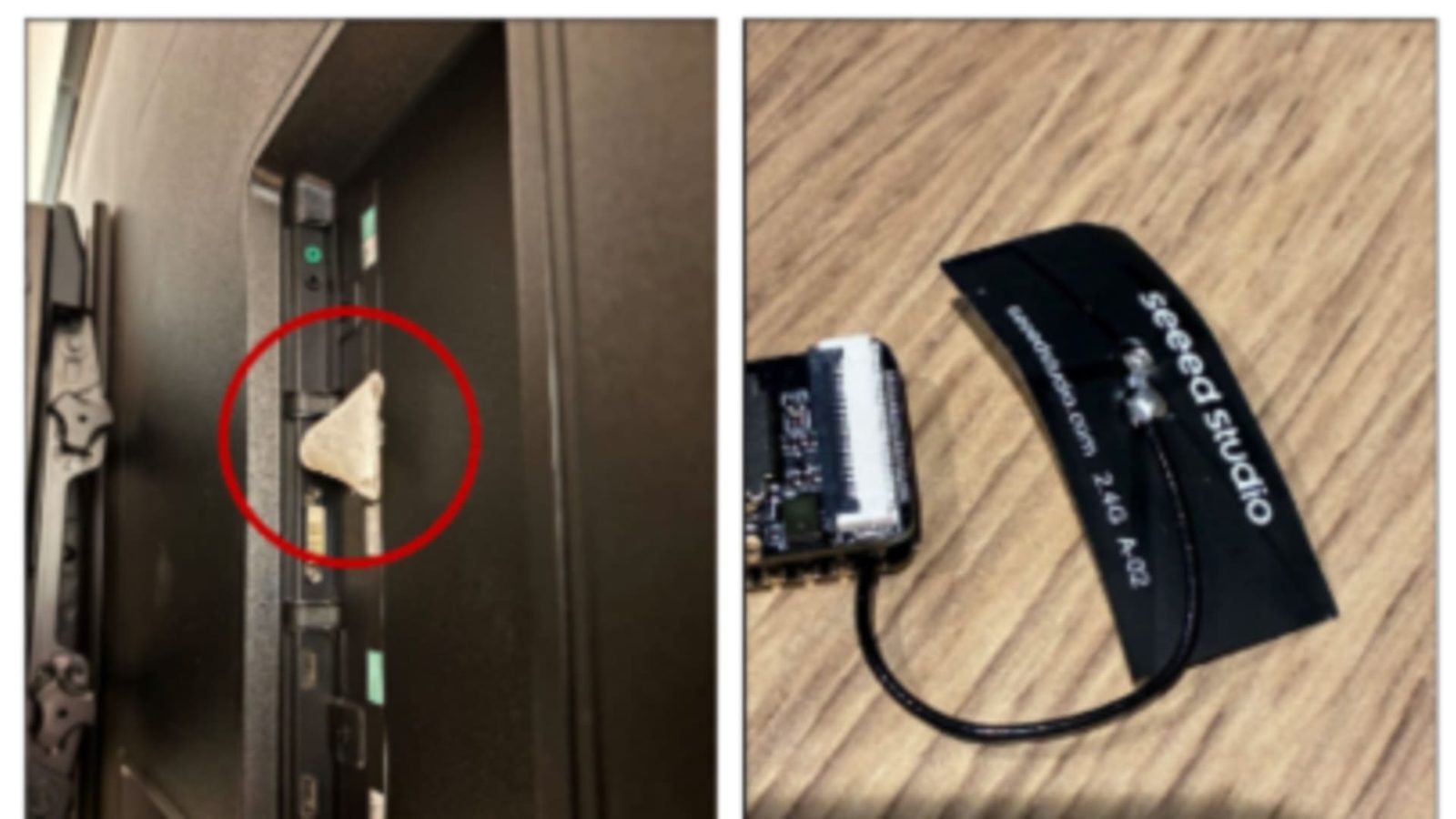
An OpenAI engineer, Abdulrahman Alfozan, was arrested by the FBI for allegedly installing a $14 spy device in the company's San Francisco office, marking a significant national security incident in the AI industry.
TL;DR
- OpenAI engineer Abdulrahman Alfozan arrested for installing a $14 spy device in the company's office.
- The incident has raised national security concerns and highlights the tension between corporate espionage and AI innovation.
- OpenAI faces ongoing copyright infringement lawsuits, adding complexity to the situation.
What happened
On October 9, the FBI arrested 35-year-old engineer Abdulrahman Alfozan, a Saudi citizen employed at OpenAI, for allegedly installing a $14 spy device in an executive conference room at the company's San Francisco office. The device, concealed in toilet paper and attached to the back of a television monitor, was described as a 'surreptitious audio recording device' by the U.S. Department of Justice.
The arrest has sparked national security concerns, with Director of National Intelligence Jay Clayton stating that 'this serious situation underscores why winning the global super intelligence race is a national security prerogative'. FBI director Kash Patel concurred, emphasizing the importance of protecting American AI innovation for national security.
Why it matters
This incident underscores the growing tension between corporate espionage and the rapid advancement of AI technology. The arrest highlights the U.S. government's increasing involvement in safeguarding AI innovation, which is seen as crucial for national security.
For developers and startups, this event serves as a reminder of the heightened scrutiny and potential security risks associated with working in the AI industry. It also raises questions about the balance between innovation and national security in the competitive global AI landscape.
Key facts
- Abdulrahman Alfozan, a 35-year-old engineer, was arrested by the FBI on October 9.
- The spy device was reportedly purchased online for $14 and concealed in toilet paper.
- Alfozan faces up to five years in jail and a fine of $250,000 if convicted.
- The incident has been described as a significant national security threat by U.S. officials.
- OpenAI is currently facing copyright infringement lawsuits from several media outlets, including USA Today.
- The U.S. government has emphasized the importance of protecting AI innovation for national security.
- The arrest highlights the increasing involvement of the U.S. government in safeguarding AI technology.
Context
OpenAI, the maker of ChatGPT, has been at the forefront of AI innovation, with a mission to ensure that 'artificial general intelligence benefits all of humanity'. The company's rapid growth and significant valuation have made it a key player in the global AI landscape.
The arrest of Abdulrahman Alfozan comes at a time when the U.S. government is increasingly focused on protecting AI innovation as a national security priority. This incident highlights the complex interplay between corporate espionage, national security, and the rapid advancement of AI technology.