OpenAI has introduced the ChatGPT Work Data agent, a tool that automates tasks and provides analytics to measure AI's impact on work. The launch highlights the growing role of AI in enterprise workflows, but also underscores persistent challenges in ownership and ROI measurement.
TL;DR
- OpenAI's ChatGPT Work Data agent automates tasks and provides analytics to measure AI's impact on work.
- The agent can investigate business questions, generate editable dashboards, and recommend follow-up work, but ownership and approval processes remain critical.
- OpenAI's research shows a significant increase in workers taking on tasks outside their usual roles, raising questions about work design and organizational structure.
What happened
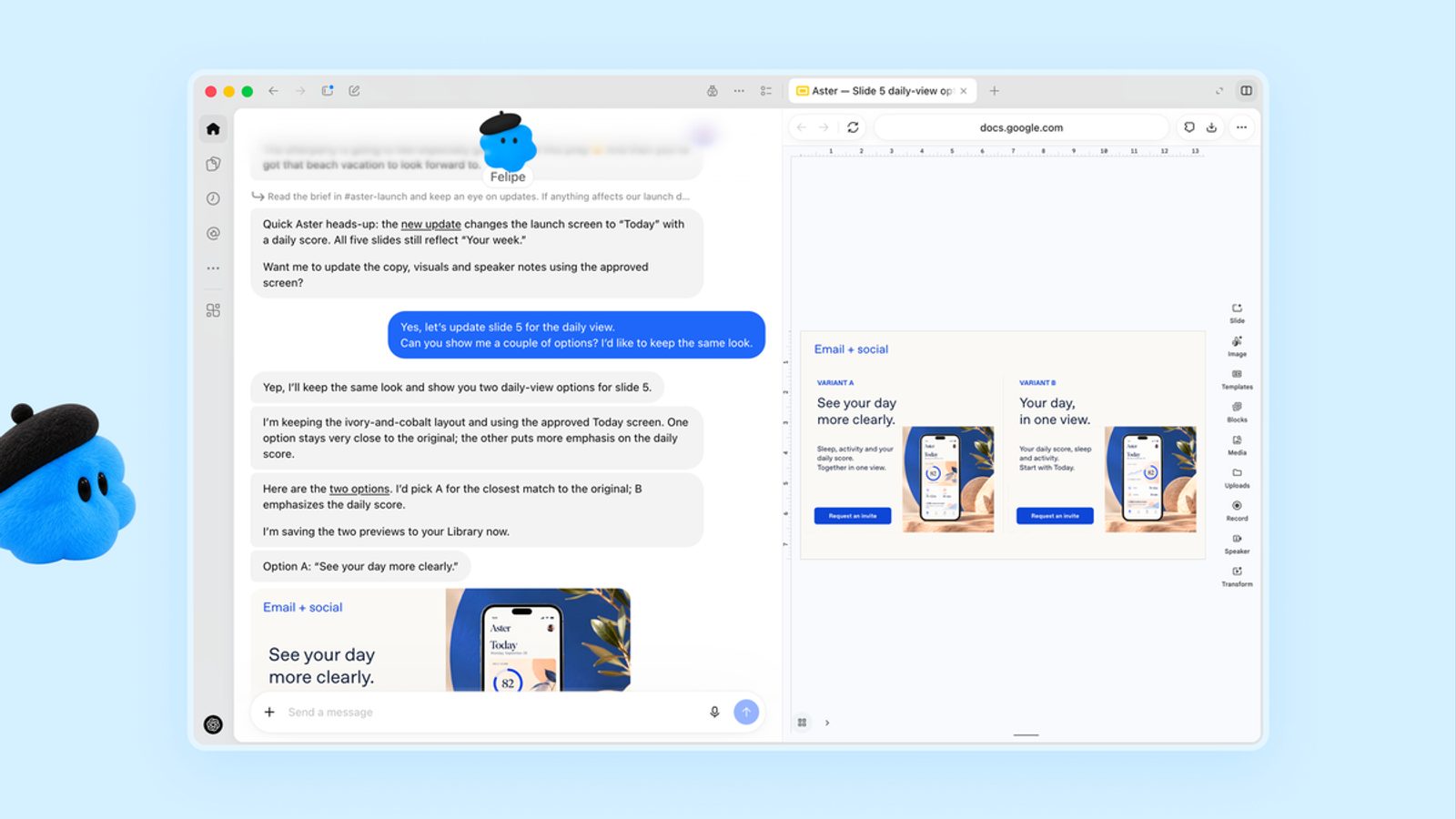
On September 10, 2026, OpenAI launched the ChatGPT Work Data agent, which takes a business question, investigates approved company data, and can turn the analysis into an editable dashboard. The agent can also recommend follow-up work, identify who should be involved, and carry out actions a user approves.
On September 16, OpenAI published new research showing that workers are increasingly taking on tasks outside their usual roles. The research analyzed over 1.5 million work-related ChatGPT messages and found that the percentage of cross-occupation tasks rose from 13.1% in April to 25.9% in July.
OpenAI also expanded analytics in the ChatGPT Admin Console, providing admins with a clearer view of usage, spend, task categories, and some outcomes across ChatGPT Work and Codex. The analytics help admins connect AI usage to business outcomes, but OpenAI cautions that the data does not represent a causal ROI measurement.
Why it matters
The ChatGPT Work Data agent and expanded analytics highlight OpenAI's push towards AI-driven task automation and measurement. However, the launch also underscores the need for clear ownership and approval processes, as well as more robust ROI measurement methods.
For developers and startups, the agent's ability to pull from various data sources and work within existing access rules presents opportunities for integration and innovation. However, the need for governed context and the potential for agents to cross boundaries underscores the importance of testing and security.
For investors, the growing role of AI in enterprise workflows presents opportunities for growth, but also highlights the need for companies to address ownership, approval, and ROI measurement challenges. The market is heading towards a junction where AI-driven task automation and traditional work management platforms will converge, presenting both opportunities and challenges.
Key facts
- The ChatGPT Work Data agent was launched on September 10, 2026.
- The agent can pull from Google Drive, SharePoint, and various data warehouses, using the organization's own metric definitions and access rules.
- OpenAI's research showed that cross-occupation tasks rose from 13.1% in April to 25.9% in July.
- The ChatGPT Enterprise admin console provides insights into active users, credits, token use, task categories, and some outcomes.
- OpenAI encourages admins to join AI usage data with operational data through the Admin API.
- Gartner reported that only one in five AI initiatives achieved ROI in 2025.
- OpenAI's own product organization and more than two-thirds of its GTM team already use data agents.
- OpenAI has run internal comparisons of the agent's accuracy but has not released the results.
Context
The launch of the ChatGPT Work Data agent comes as companies are increasingly looking to AI to drive efficiency and productivity. However, the shift towards AI-driven task automation also raises questions about work design, organizational structure, and the role of human workers.
The need for clear ownership and approval processes, as well as more robust ROI measurement methods, highlights the challenges companies face as they integrate AI into their workflows. The market is heading towards a convergence of AI-driven task automation and traditional work management platforms, presenting both opportunities and challenges for companies, developers, and investors.
As AI continues to play a larger role in the enterprise, the need for governed context and the potential for agents to cross boundaries underscores the importance of testing and security. Companies will need to address these challenges as they look to integrate AI into their workflows and measure its impact on their business.