OpenAI is offering salaries up to $325,000 for robotics engineers as it revives and expands its robotics division. The move signals a strategic shift towards physical AI and general-purpose robotics.
TL;DR
- OpenAI is hiring robotics engineers with salaries ranging from $255,000 to $325,000.
- The company is expanding its robotics division to develop general-purpose robots capable of operating in real-world environments.
- This push into physical AI could provide OpenAI with a competitive edge and new data sources for training AI models.
What happened
OpenAI has recently advertised new positions for robotics software engineers in San Francisco, offering competitive salaries ranging from $255,000 to $325,000. This initiative is part of the company's expanded robotics division, which is seeking specialists in hardware, operations, systems, software, and machine learning.
The goal is to advance AI beyond text and images, integrating it into machines that can perceive and act in the physical world. OpenAI's new robotics laboratory in San Francisco is training robotic arms to perform tasks such as folding laundry and placing bread into a toaster.
This is not OpenAI's first foray into robotics. The company previously worked on projects like Dactyl, a robotic hand that demonstrated complex object manipulation, before closing its robotics program in 2020.
Why it matters
OpenAI's focus on robotics could provide a significant competitive advantage. By developing general-purpose robots, OpenAI aims to create systems that can understand their surroundings and respond to a wide variety of instructions, aligning with its pursuit of increasingly general AI systems.
Robots could also serve as a valuable source of training data for AI models. As AI is expected to operate in the real world, data describing physical environments is crucial. Robot arms, humanoids, autonomous vehicles, and industrial machines can record how objects move and how forces interact, providing rich data for training AI models.
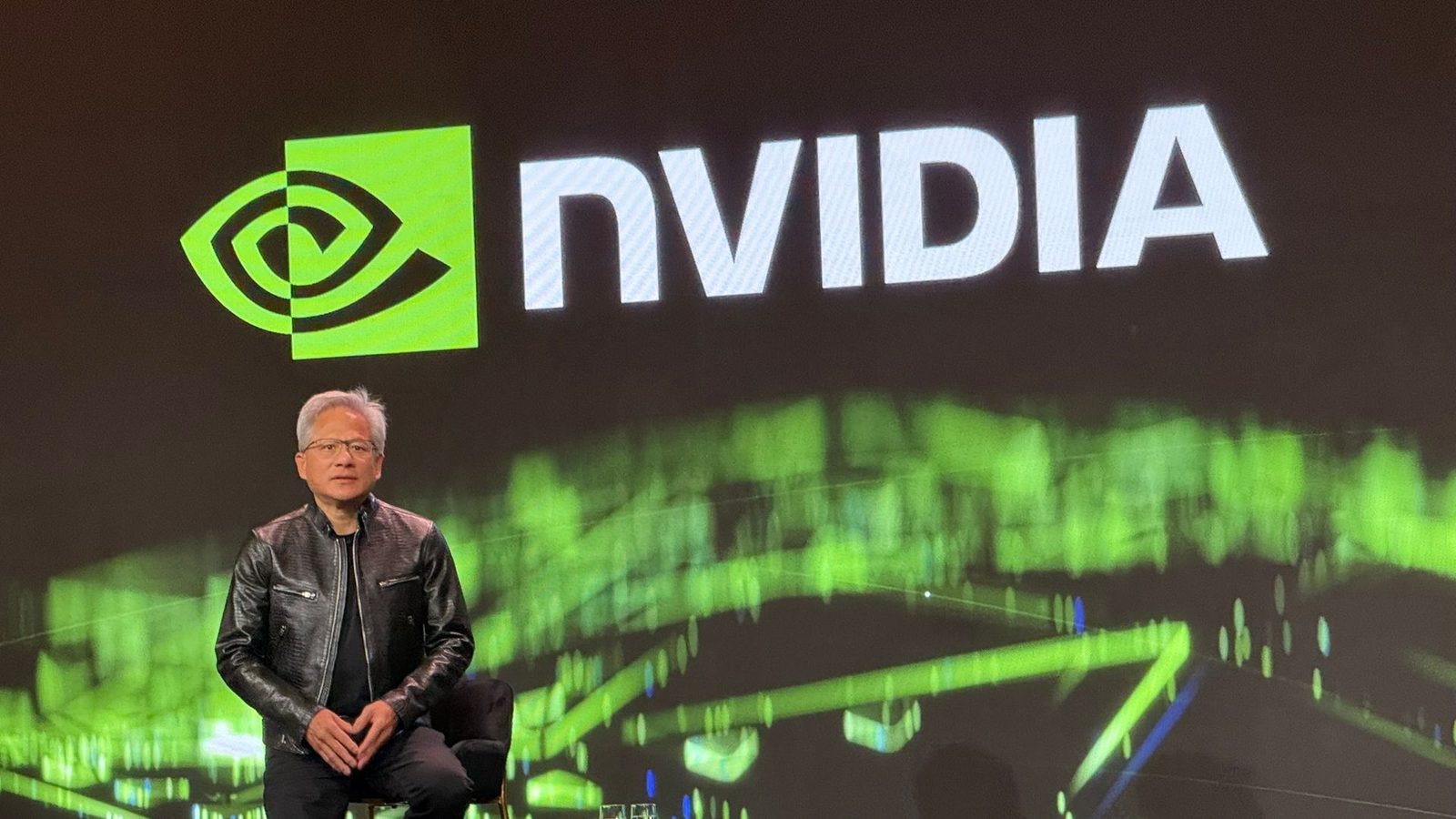
However, OpenAI faces intense competition in this space. Companies like Nvidia, Figure, Skild AI, and Anduril are also investing heavily in physical or embodied AI, creating a competitive landscape for engineers with expertise in AI models, perception, sensor fusion, and robotic control.
Key facts
- OpenAI is offering salaries up to $325,000 for robotics engineers.
- The company is expanding its robotics division to develop general-purpose robots.
- OpenAI's new robotics laboratory in San Francisco is training robotic arms to perform tasks like folding laundry and placing bread into a toaster.
- The company previously worked on the Dactyl project, a robotic hand that demonstrated complex object manipulation.
- OpenAI aims to create robots that can understand their surroundings and respond to a wide variety of instructions.
- Robots could provide valuable training data for AI models by recording physical interactions and environments.
- Competitors like Nvidia, Figure, Skild AI, and Anduril are also investing in physical or embodied AI.
Context
The introduction of modern large language models (LLMs) has significantly changed the AI industry. While LLMs have shown enormous promise, they also present challenges in terms of training costs, operational expenses, and competition. OpenAI's push into robotics could be seen as a strategic move to differentiate itself and create more valuable AI systems.
The ability to connect AI models with sensors, actuators, and robotic systems opens up new markets and applications. This integration could allow AI to interpret requests, reason about problems, and physically act upon them, making the technology more transformative.
As the AI industry continues to evolve, the combination of AI models with physical systems could become a key differentiator. OpenAI's investment in robotics is a clear indication of its commitment to advancing general-purpose AI and staying competitive in a rapidly changing landscape.