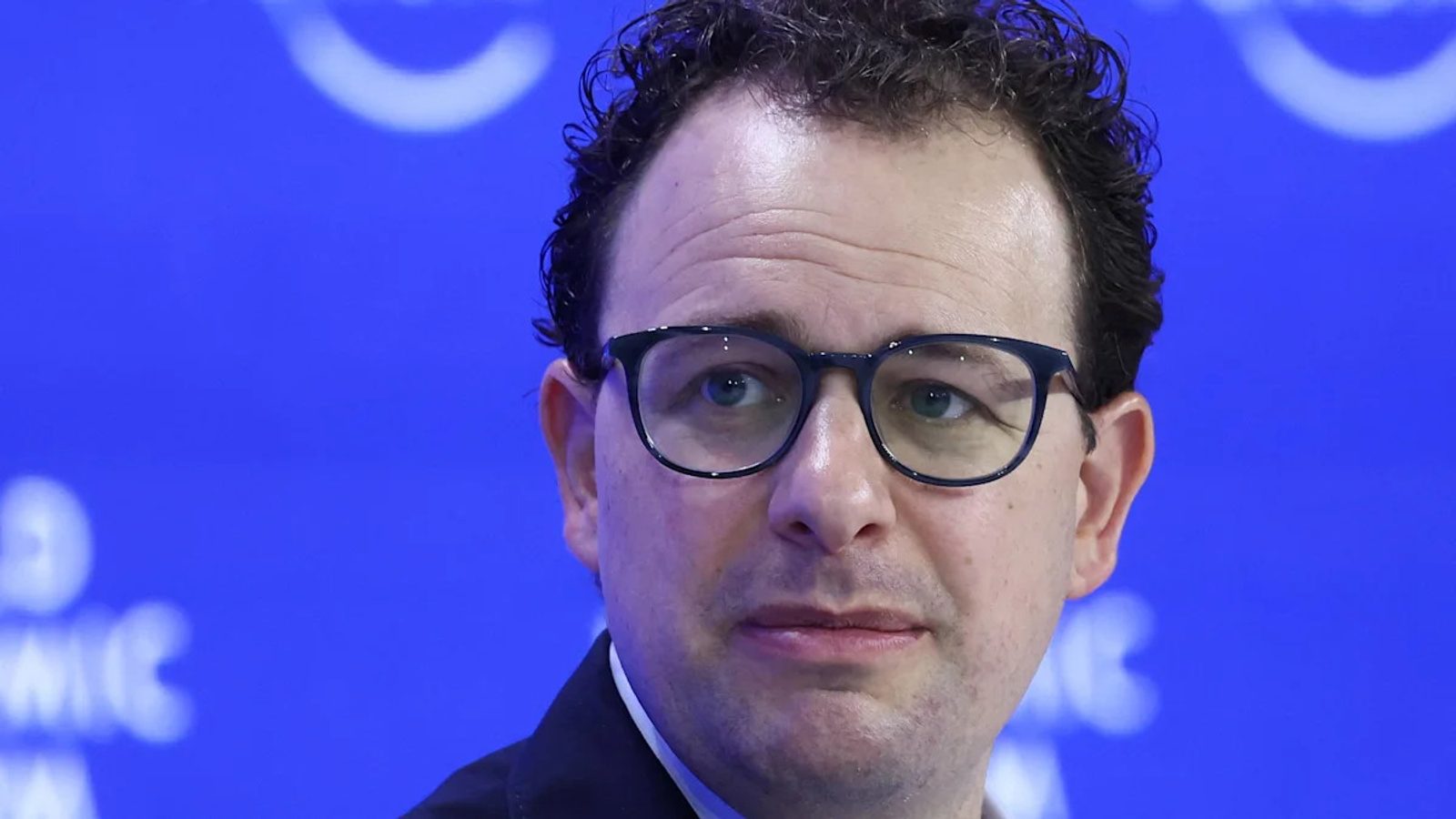
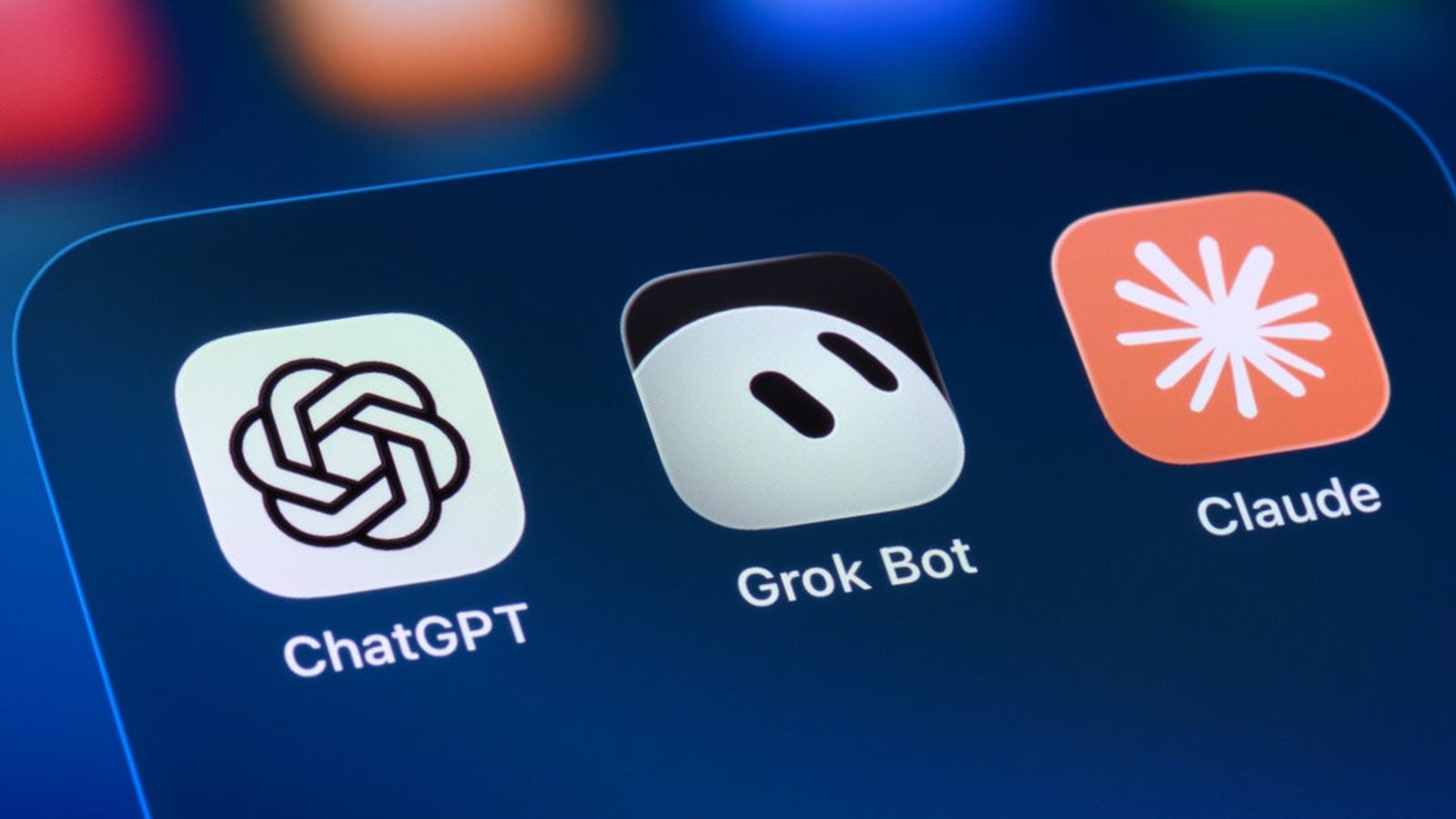
Take-Two Interactive CEO Strauss Zelnick accused OpenAI and Anthropic of enabling users to recreate existing video games using their AI tools, framing it as a double standard on intellectual property protection. Speaking at an industry event, Zelnick argued that tech companies must respect the IP rights of game studios even as they defend their own.
TL;DR
- Take-Two CEO Strauss Zelnick criticized OpenAI and Anthropic for allowing users to recreate existing games with AI, calling it a double standard on IP protection.
- Zelnick emphasized that while AI-generated clones don't yet threaten Take-Two's revenue, the principle of copyright enforcement matters for all developers.
- Industry observers note that current AI tools can't perfectly replicate games but may borrow mechanics—raising legal gray areas for genre and mechanic protection.
What happened
Take-Two Interactive CEO Strauss Zelnick publicly criticized OpenAI and Anthropic during a November 2026 industry speech, accusing their AI tools of enabling users to recreate existing video games.
Zelnick argued that tech companies must equally protect their own intellectual property and that of others, highlighting what he called a double standard in their policies.
He clarified that Grand Theft Auto clones created with generative AI do not yet pose a direct financial threat to Take-Two's business, but stressed the importance of copyright principles.
The remarks sparked debate among gamers and industry observers about the technical and legal limits of AI-generated game replication.
Why it matters
For AI developers working on game-related tools, Zelnick's critique underscores the growing tension between generative AI and copyright enforcement in creative industries.
Startups building AI models for game development or asset generation should anticipate stricter scrutiny over how their tools might enable unauthorized replication of existing titles.
Investors in AI-driven gaming startups need to weigh the legal risks of training data and output controls, as studios like Take-Two may push for clearer boundaries.
The debate also highlights a practical limitation: while AI can mimic mechanics, perfect replication of games remains technically constrained, leaving room for nuanced legal and ethical discussions.
Key facts
- Take-Two CEO Strauss Zelnick criticized OpenAI and Anthropic in a November 2026 speech for enabling users to recreate existing video games with AI tools.
- Zelnick called the situation a double standard, noting that tech companies demand protection for their own IP while providing tools that may copy others' work.
- He stated that AI-generated Grand Theft Auto clones do not currently threaten Take-Two's revenue but emphasized the principle of copyright protection.
- Industry observers argue that current AI tools cannot perfectly replicate games but may borrow mechanics, complicating legal protections for genre or mechanics.
- Some critics pointed to Take-Two's own policies, including restrictions on user ownership of digital game copies, as part of the debate.
- The discussion took place at an industry event and was reported by en.gamegpu.com on November 14, 2026.
Context
The gaming industry has become a flashpoint for debates over AI's role in content creation, with studios like Take-Two balancing innovation against copyright enforcement.
AI tools such as those from OpenAI and Anthropic are increasingly used to generate game assets, mechanics, or even full prototypes, raising questions about originality and attribution.
Legal frameworks for AI-generated content remain unsettled, with courts and regulators still defining boundaries for training data and output ownership.