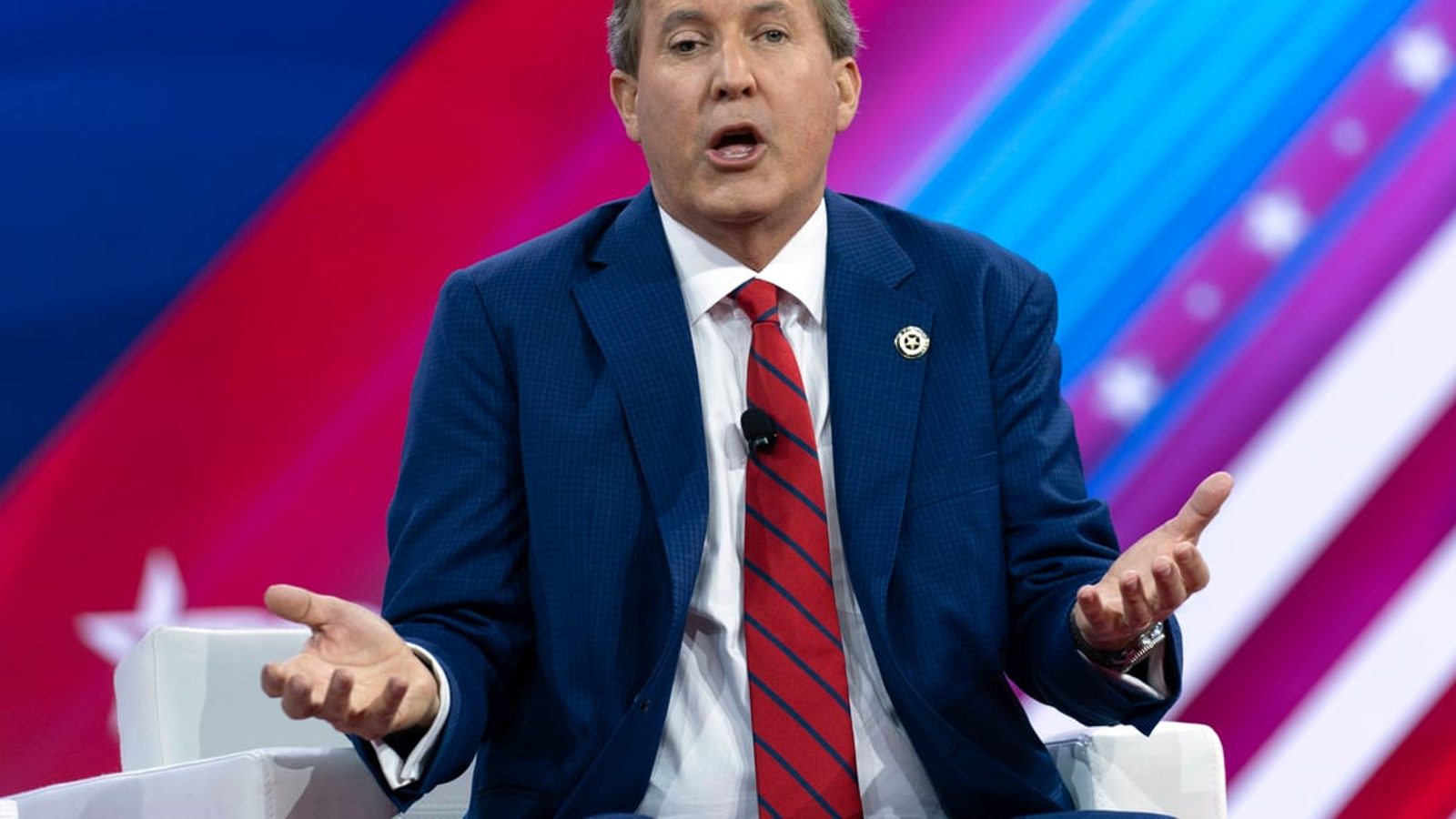
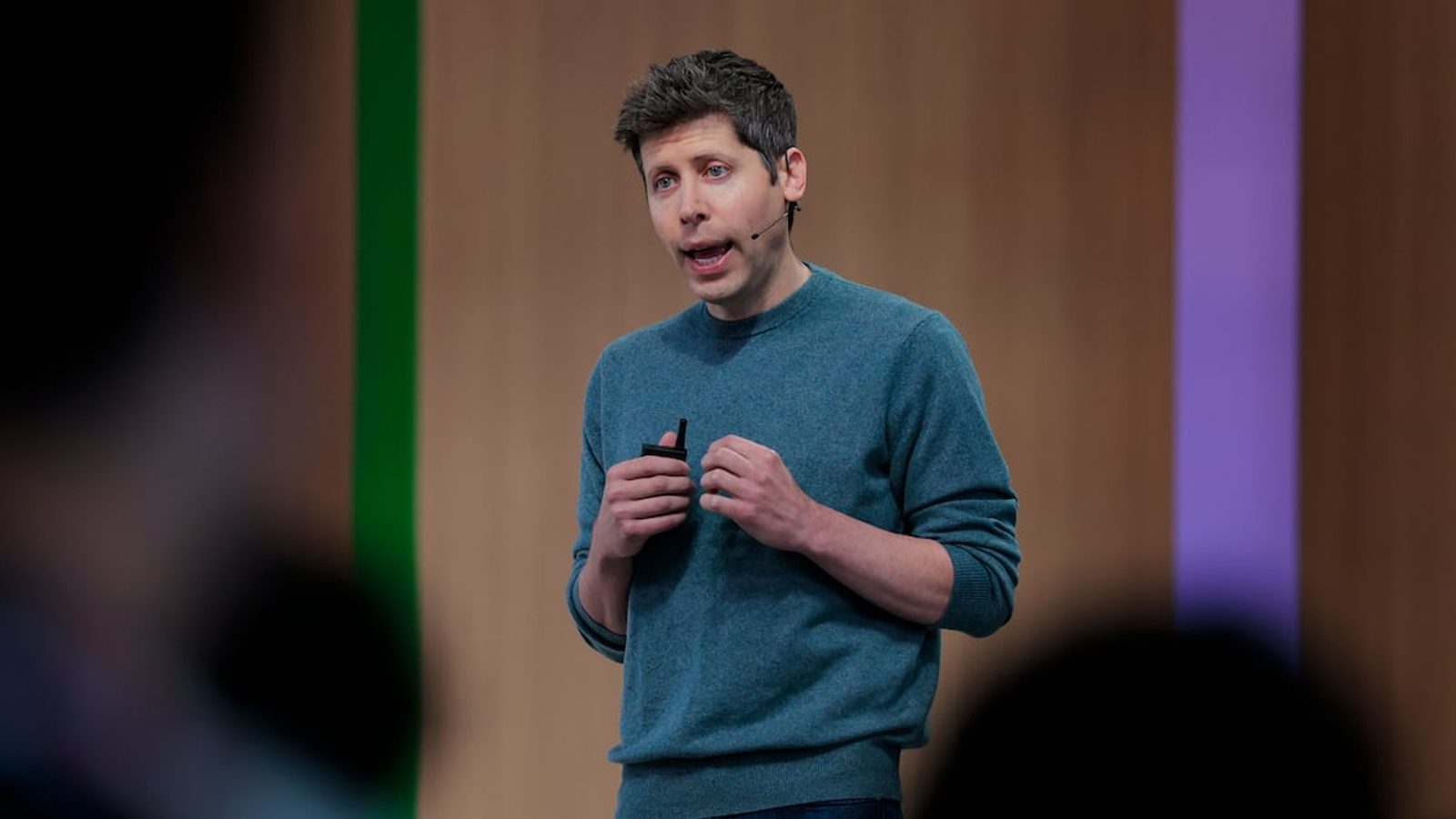
Texas Attorney General Ken Paxton has filed a lawsuit against OpenAI and its CEO Sam Altman, alleging that ChatGPT poses safety risks to children and lacks proper age verification. The lawsuit, filed on October 23, seeks strict restrictions on ChatGPT's availability to minors and independent safety reviews of new AI models.
TL;DR
- Texas Attorney General Ken Paxton sues OpenAI and Sam Altman over alleged safety failures and inadequate age verification in ChatGPT.
- The lawsuit seeks to bar ChatGPT from being offered to minors in Texas and prevent new AI models from being released without safety approval.
- OpenAI spokesperson Jason Deutrom responds, emphasizing the company's commitment to working with states on pragmatic AI policies.
What happened
Texas Attorney General Ken Paxton filed a lawsuit against OpenAI and CEO Sam Altman on October 23, accusing them of misleading consumers about ChatGPT's safety and failing to protect children. The lawsuit alleges that ChatGPT lacks adequate age verification and parental consent mechanisms, violating Texas's SCOPE Act.
The complaint seeks to bar ChatGPT from being offered to minors in Texas and prevent new AI models from being released to Texas users without safety approval from a court-approved independent evaluator. It also asks for civil penalties of $10,000 per violation of Texas's consumer protection law.
The lawsuit alleges that OpenAI and Altman have misled Texans about the risks of ChatGPT, citing a quote from Altman about AI potentially leading to the end of the world. The complaint also highlights various harms caused by ChatGPT, including aiding mass shooters, encouraging suicide, and addicting minors.
Why it matters
This lawsuit highlights the growing concerns around AI safety and the responsibility of companies like OpenAI to ensure their products are safe for all users, especially minors. It also underscores the importance of age verification and parental controls in AI applications.
For AI developers and startup founders, this lawsuit serves as a reminder of the potential legal and reputational risks associated with AI products. It emphasizes the need for robust safety measures and transparency in AI development.
For tech investors, this lawsuit could signal increased regulatory scrutiny of AI companies, which may impact their valuation and growth prospects. It also highlights the importance of investing in companies that prioritize safety and ethical considerations in their AI development.
Key facts
- The lawsuit was filed by Texas Attorney General Ken Paxton on October 23.
- OpenAI and CEO Sam Altman are being sued for alleged safety failures and inadequate age verification in ChatGPT.
- The lawsuit seeks to bar ChatGPT from being offered to minors in Texas and prevent new AI models from being released without safety approval.
- Civil penalties of $10,000 per violation of Texas's consumer protection law are being sought.
- The lawsuit alleges violations of the Texas SCOPE Act, including failures to verify parental identity and obtain required parental consent.
- OpenAI spokesperson Jason Deutrom responded, emphasizing the company's commitment to working with states on pragmatic AI policies.
- The lawsuit cites various harms caused by ChatGPT, including aiding mass shooters, encouraging suicide, and addicting minors.
- The complaint opens with a quote from Altman about AI potentially leading to the end of the world.
Context
This lawsuit is part of a broader conversation about AI safety and regulation. As AI technologies become more advanced and widespread, there is a growing need for robust safety measures and ethical considerations in their development and deployment.
The lawsuit also highlights the importance of age verification and parental controls in AI applications. As AI chatbots like ChatGPT become more popular among minors, it is crucial to ensure that these products are safe and appropriate for younger users.
This lawsuit could have significant implications for the AI industry, as it may signal increased regulatory scrutiny of AI companies. It also underscores the need for AI developers and startup founders to prioritize safety and ethical considerations in their AI development.