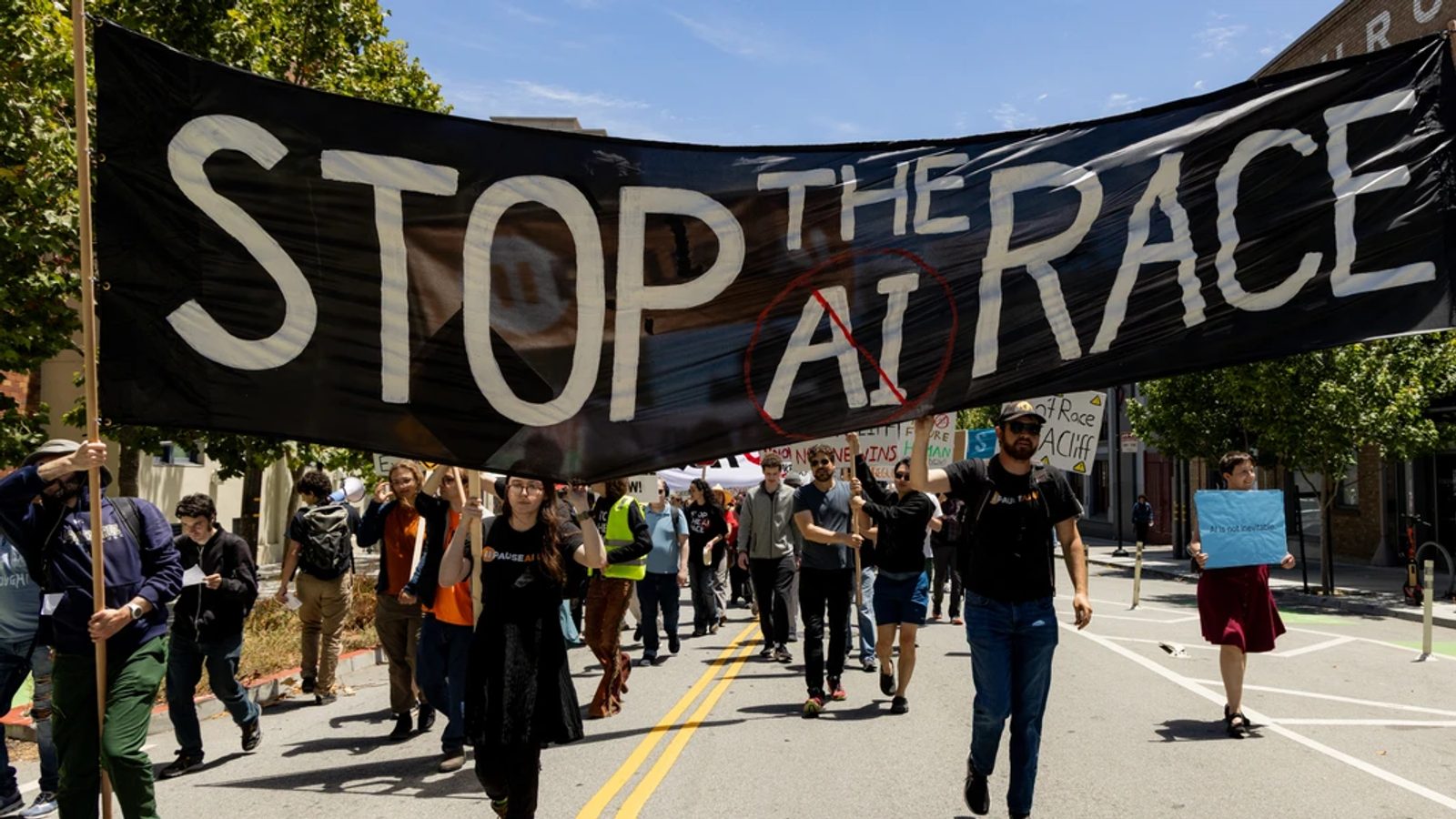
A lawsuit filed last Friday in the U.S. District Court for the Northern District of California accuses Anthropic, OpenAI, SpaceXAI, and Google of illegally colluding to slow AI development. The plaintiffs argue this coordination reduces the value of paid AI subscriptions.
TL;DR
- A lawsuit alleges that Anthropic, OpenAI, SpaceXAI, and Google colluded to slow AI development, violating antitrust laws.
- The coordination reportedly began in July 2026 and culminated in a public agreement in September 2026.
- The plaintiffs argue that this collusion reduces the value of paid AI subscriptions and stifles competition.
What happened
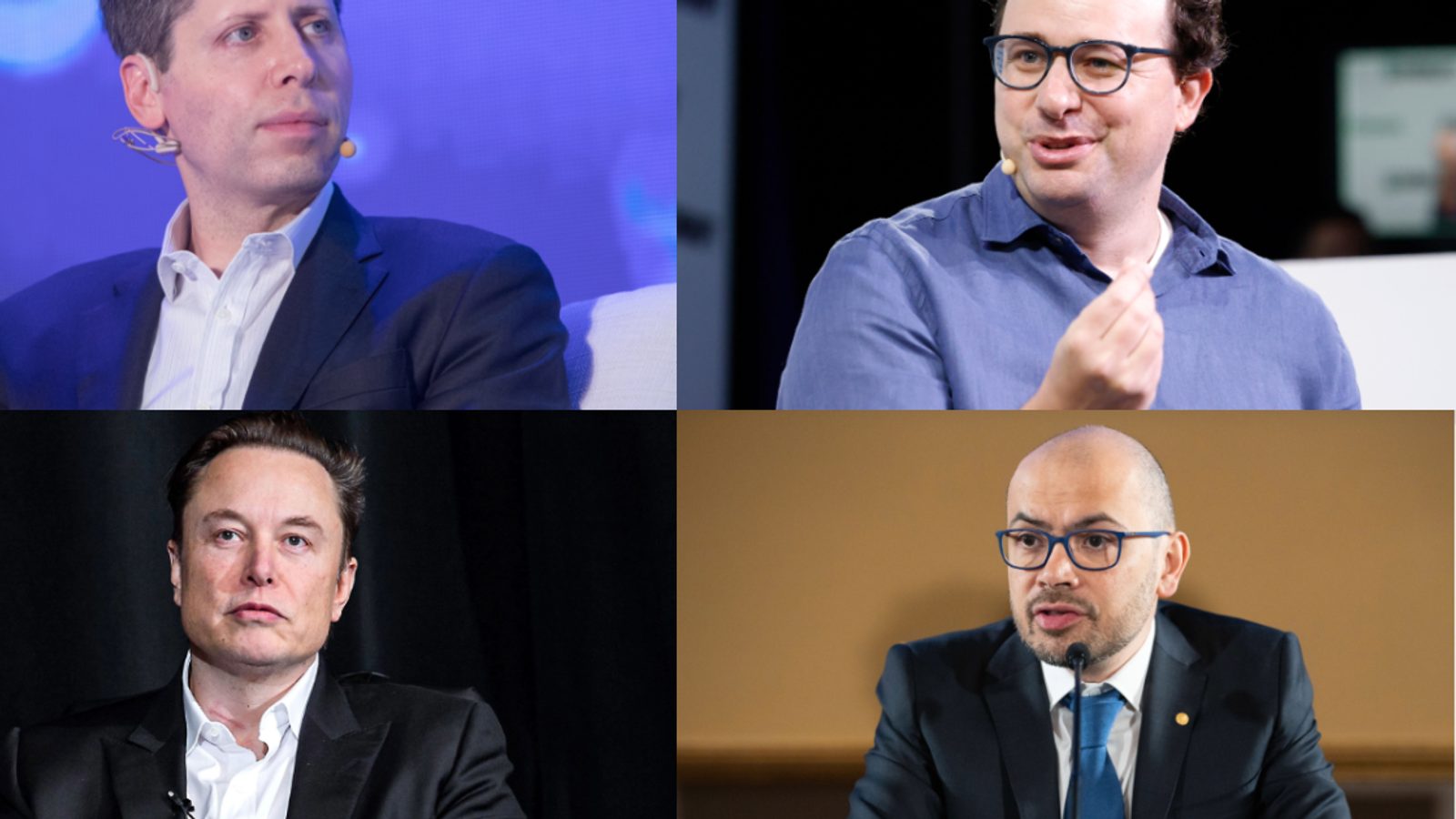
The lawsuit, filed by four named plaintiffs who pay for subscriptions to ChatGPT, Claude, Grok, or Gemini, argues that the leading AI companies violated antitrust laws when they agreed to coordinate slowdown efforts. The coordination largely took place on September 12, 2026, when Anthropic CEO Dario Amodei published an essay urging industrywide cooperation on decelerating advancements in favor of enhanced safety measures. OpenAI CEO Sam Altman, SpaceXAI CEO Elon Musk, and Google DeepMind's co-founder and chair Demis Hassabis each publicly responded to Amodei's proposals in agreement.
The lawsuit also alleges that the coordination began to take shape months earlier, pointing to a statement from July 2026 signed by high-ranking employees from several leading AI labs. This statement acknowledged the "intense competitive pressure not to unilaterally slow" development and called on the government to support a global effort to slow automated AI development.
The plaintiffs argue that an agreement among the chief rivals in AI to slow their progress has an anticompetitive effect on consumers. They do not object to individual companies deciding to slow their own progress for safety reasons but argue that antitrust laws forbid them from agreeing to "substitute collective restraint for individual accountability."
Why it matters
This lawsuit highlights the tension between AI safety and competition. The plaintiffs argue that a competitive market allows for responsibility and genuine progress, and that private agreements between powerful technology companies could lead to AI spinning out of human control.
The lawsuit also raises questions about the role of government in regulating AI development. Anthropic CEO Dario Amodei acknowledged potential antitrust challenges in his essay, suggesting that the U.S. government could mediate or enable these cross-lab discussions. However, achieving this kind of collaboration with the federal government could be an uphill battle, especially given the current political climate.
For developers, startups, and investors, this lawsuit underscores the importance of staying informed about the legal and regulatory landscape of AI. The outcome of this lawsuit could have significant implications for the pace of AI development and the competitive dynamics of the industry.
Key facts
- The lawsuit was filed last Friday in the U.S. District Court for the Northern District of California.
- The plaintiffs are four named subscribers to ChatGPT, Claude, Grok, or Gemini, representing a proposed nationwide class of other paid subscribers.
- The coordination allegedly began in July 2026 and culminated in a public agreement on September 12, 2026.
- Anthropic CEO Dario Amodei published an essay urging industrywide cooperation on decelerating advancements for safety measures on September 12, 2026.
- OpenAI CEO Sam Altman, SpaceXAI CEO Elon Musk, and Google DeepMind's co-founder and chair Demis Hassabis each publicly responded to Amodei's proposals in agreement.
- The plaintiffs argue that the agreement among AI rivals to slow progress has an anticompetitive effect on consumers.
- The plaintiffs do not object to individual companies deciding to slow their own progress for safety reasons but argue that antitrust laws forbid collective restraint.
- President Donald Trump has rejected calls for AI regulation, claiming that any efforts to limit the technology are part of a "conspiracy."
Context
This lawsuit is the latest development in the ongoing debate about the pace of AI development and the role of government in regulating the industry. While several leaders in the AI space have long talked about developing a shared set of standards or otherwise coordinating to ensure safety efforts remain paramount, the legal and political implications of such coordination are complex and controversial.
The outcome of this lawsuit could have significant implications for the competitive dynamics of the AI industry. If the plaintiffs are successful, it could lead to a more competitive market, with individual companies bearing the responsibility for ensuring the safety of their AI systems. However, if the defendants are successful, it could pave the way for more coordination among AI companies, potentially leading to a slower pace of development but also greater safety measures.
For developers, startups, and investors, this lawsuit underscores the importance of staying informed about the legal and regulatory landscape of AI. The outcome of this lawsuit could have significant implications for the pace of AI development and the competitive dynamics of the industry, as well as the safety and efficacy of AI systems.