OpenAI's latest coding model has achieved a perplexity score of 0.68, a milestone that the company suggests could unlock new capabilities for which the world is not yet prepared. The model's performance improvement was highlighted by CEO Sam Altman, who praised the transparency of the research.
TL;DR
- OpenAI's coding model reaches 0.68 perplexity, a significant drop from previous versions.
- The improvement is linked to OpenAI's strategic shift towards optimizing models for coding tasks.
- The company warns that capabilities unlocked below this threshold may be unprepared for, raising ethical and safety concerns.
What happened
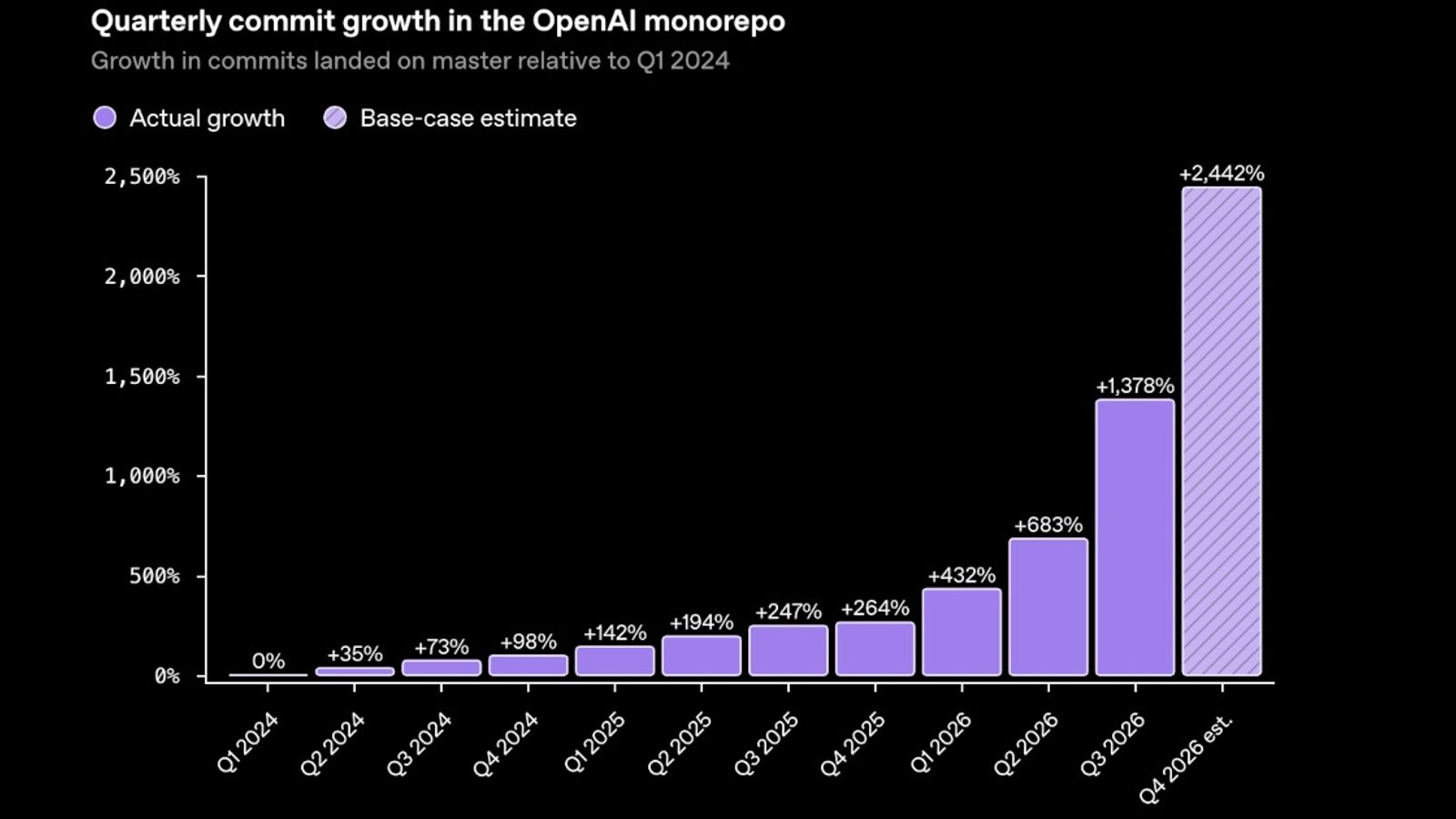
OpenAI's Chief Scientist published a graph demonstrating a steep drop in model perplexity over time, particularly after the company shifted its strategy towards coding models. The model was calculated on an internal coding dataset.
CEO Sam Altman named the graph one of the most important things OpenAI has posted recently, applauding the company's transparency. The model's perplexity score dropped to 0.68, a significant milestone.
OpenAI concluded that a model optimized for coding performs better on coding tasks. However, they also warned that capabilities unlocked below the 0.68 perplexity threshold may include new, unprepared-for abilities.
Why it matters
For developers, this news highlights OpenAI's commitment to improving coding models, which could lead to more powerful tools for software development. The transparency in sharing perplexity scores can also help developers understand the capabilities and limitations of these models.
For startups and investors, the strategic shift towards coding models indicates OpenAI's focus on practical applications, which could drive adoption and commercial success. However, the ethical and safety concerns raised by the potential unlocking of unprepared capabilities may also impact regulatory and market dynamics.
The competitive angle is significant, as other AI companies may need to follow suit in optimizing models for specific tasks and being transparent about their progress. The open question remains about how to prepare for and manage the potential risks associated with advanced AI capabilities.
Key facts
- OpenAI's coding model achieved a perplexity score of 0.68, a significant drop from previous versions.
- The improvement is linked to OpenAI's strategic shift towards optimizing models for coding tasks.
- The model was calculated on an internal coding dataset.
- CEO Sam Altman praised the transparency of the research and named it one of the most important things OpenAI has posted recently.
- OpenAI warns that capabilities unlocked below the 0.68 perplexity threshold may include new, unprepared-for abilities.
- The steep drop in perplexity happened after OpenAI shifted their strategy towards coding models.
- The conclusion drawn is that a model optimized for coding performs better on coding tasks.
- The research was published by OpenAI's Chief Scientist and highlighted by CEO Sam Altman.
Context
This development is part of a broader trend in the AI industry towards optimizing models for specific tasks, rather than general intelligence. The focus on coding models aligns with the growing demand for AI-powered tools in software development.
The transparency in sharing perplexity scores is notable, as it allows developers and researchers to better understand the capabilities and limitations of AI models. This can foster collaboration and innovation within the AI community.
The ethical and safety concerns raised by OpenAI highlight the need for proactive measures to manage the potential risks associated with advanced AI capabilities. This could drive discussions and policies around AI regulation and safety standards.